Blog

  • Hydration Stations in Hotels: Revolutionizing Guest Comfort and Sustainability

    Hydration Stations in Hotels: Revolutionizing Guest Comfort and Sustainability

    In the rapidly evolving hospitality industry, hotels are continually seeking innovative ways to enhance guest experiences while embracing sustainability. One such advancement is the installation of hydration stations. As the founder of Zarnik, India’s first B2B e-commerce marketplace for hotels, I have observed in many hotels how these modern water dispensers are transforming guest hydration, offering a perfect blend of convenience, eco-friendliness, and health benefits.

    What Are Hydration Stations?

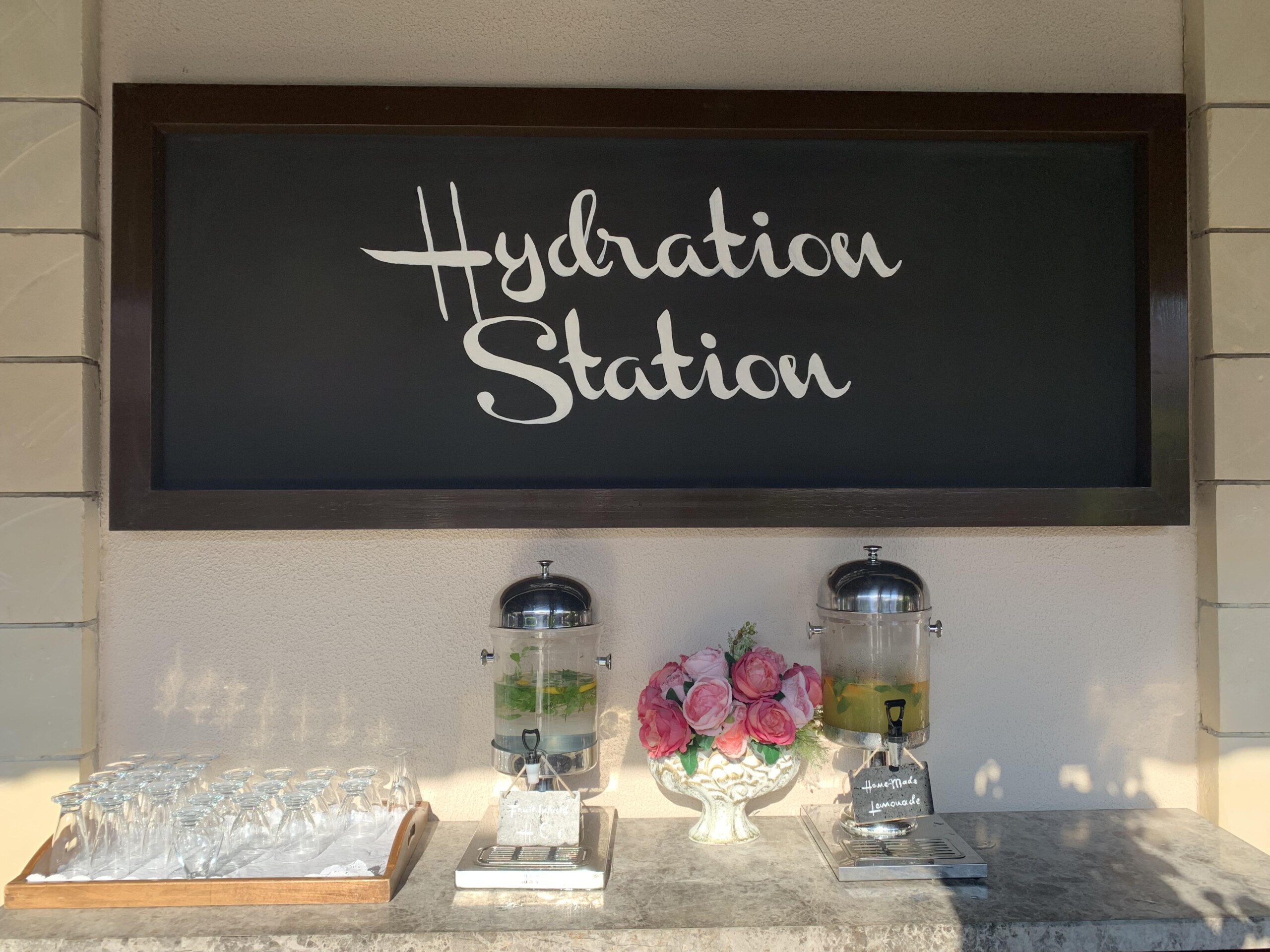
    Hydration stations are water dispensing systems strategically installed in common areas or on each floor of hotels. These stations provide guests with easy access to clean, filtered water, often offering both room temperature and chilled options. Many hotels complement these stations with complimentary reusable water bottles, encouraging guests to refill throughout their stay.

    Hydration Station in AC Hotel Houston
    Hydration Station in AC Hotel Houston

    Benefits for Guests

    1. Convenience: Guests no longer need to rely on small bottles of water in their rooms or make trips to vending machines. With hydration stations on every floor, refreshment is always just steps away.
    2. Health and Wellness: Easy access to water promotes proper hydration, which is essential for guest well-being, especially for travelers adjusting to new climates or recovering from jet lag.
    3. Cost Savings: Complimentary water refills mean guests don’t have to purchase bottled water, leading to significant savings during their stay.
    4. Customization: Some advanced stations offer flavoring options or sparkling water, allowing guests to personalize their hydration experience.

    Environmental Impact

    The introduction of hydration stations aligns perfectly with the growing focus on sustainability in the hospitality industry:

    • Reduction in Plastic Waste: By eliminating the need for single-use plastic water bottles, hotels significantly reduce their plastic footprint.
    • Energy Efficiency: Modern hydration stations are designed to be energy-efficient, consuming less power than traditional water coolers or mini-fridges stocked with bottled water.
    • Water Conservation: Filtered tap water requires far fewer resources to produce and transport compared to bottled water.

    Operational Advantages for Hotels

    1. Cost-Effective: While there’s an initial investment, hydration stations can lead to long-term cost savings by reducing the need to purchase, store, and dispose of bottled water.
    2. Brand Enhancement: Hotels that offer hydration stations are often perceived as modern, health-conscious, and environmentally responsible, enhancing their brand image.
    3. Maintenance and Hygiene: These stations are typically easier to maintain and keep hygienic compared to traditional water dispensers or constantly restocking mini-fridges with bottled water.

    Implementation Tips for Hotels

    • Strategic Placement: Install stations in easily accessible areas on each floor, near elevators or ice machines.
    • Clear Signage: Use informative signs to guide guests to the stations and explain their benefits.
    • Quality Matters: Invest in high-quality filtration systems to ensure the best-tasting water.
    • Branded Bottles: Offer reusable water bottles branded with the hotel logo as a practical and memorable souvenir.
    • Staff Training: Ensure staff can answer questions about the stations and promote their use to guests.

    Case Study: Noelle Hotel in Nashville

    While my experience is primarily in the Indian market, it’s instructive to look at successful implementations globally. The Noelle hotel in Nashville provides an excellent example of successful hydration station implementation. According to guest reviews, the hotel offers water stations on each floor, complete with cold and hot water options, and fresh bags of ice. Guests particularly appreciate the complimentary refillable water bottles provided by the hotel.

    One guest, Craig from Sioux Falls, South Dakota, noted: “The Noelle was near perfection, all the small details have been well thought out from the unique water station on each floor with personal room bags of ice… to the wonderful personal refillable water bottles that can be taken home!”

    Another guest, Lorraine from Wantagh, New York, mentioned: “The hydration station on each floor with the complimentary refillable water bottles is definitely a plus.”

    These testimonials highlight how hydration stations can significantly enhance the guest experience and contribute to positive reviews.
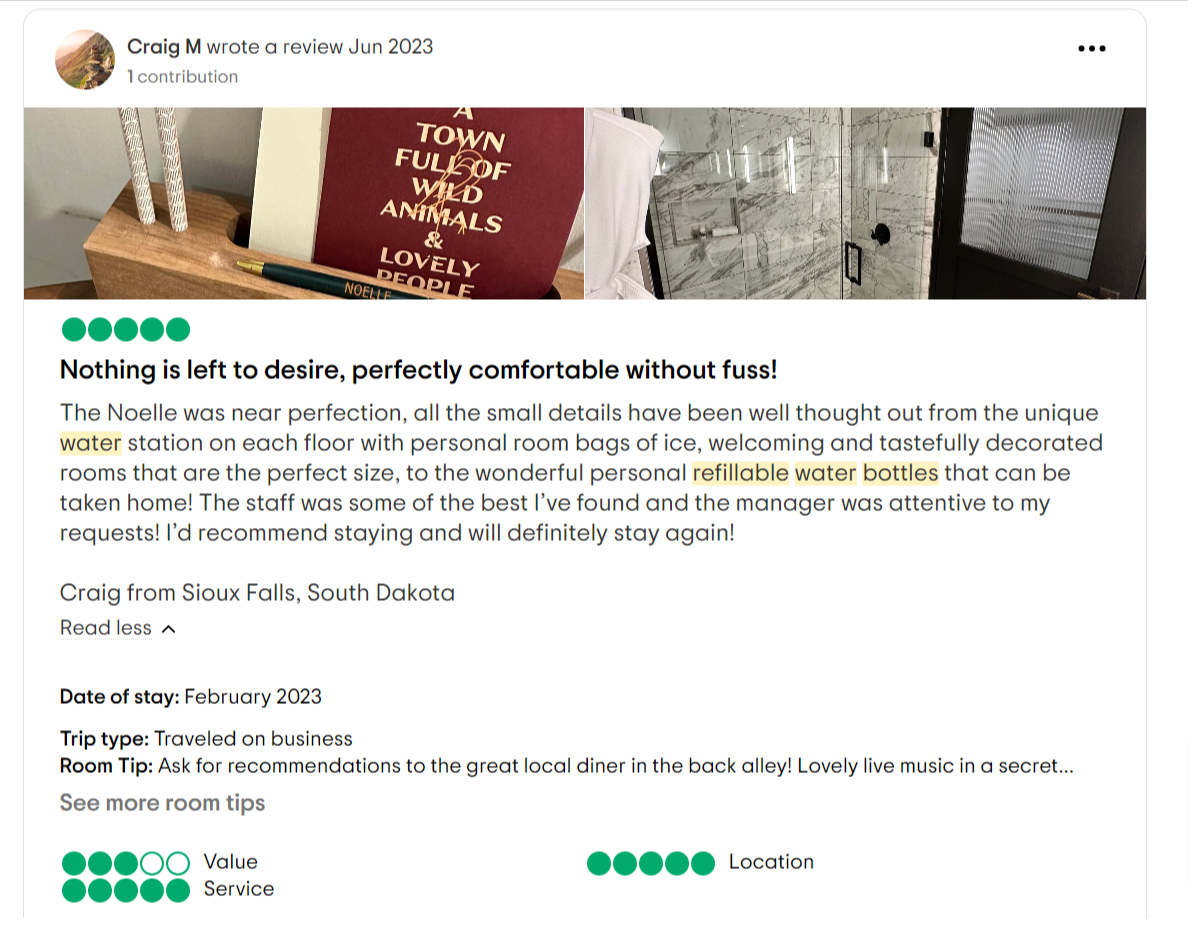
    Noelle's guest review regarding Hydration Stations

    Noelle has received numerous positive reviews on their hydration station on TripAdvisor.

    Gallery of Various Hydration Station Implementations in Hotels

    The Indian Context

    In India, where water quality can be a significant concern for many travelers, hydration stations offer a reliable and eco-friendly solution. They address guests’ need for safe drinking water while demonstrating a hotel’s commitment to both guest comfort and environmental responsibility. From a procurement perspective, which is a key focus for us at Zarnik, hydration stations can streamline operations for hotels in India. By reducing the need for individual water bottles, hotels can simplify their supply chain and potentially reduce costs in the long run.

    The Future of Hydration in Hospitality

    As sustainability continues to be a key focus in the hospitality industry, both in India and globally, hydration stations are likely to become a standard feature in hotels worldwide. Future innovations may include smart dispensers that track water consumption, offer more customization options, or integrate with hotel apps for a seamless guest experience. In conclusion, hydration stations represent a win-win solution for hotels and their guests. By providing convenient access to quality water while reducing environmental impact, these installations are not just a trend, but a significant step towards more sustainable and guest-centric hospitality practices. As we continue to innovate in the hotel supplies industry, we’re excited to see more hotels in India and beyond adopting solutions like hydration stations, enhancing guest experiences while promoting sustainability. 


    About the Author: Azhar Umar is the CEO and CTO of Zarnik, India’s first B2B e-commerce marketplace for hotels. With an MBA from IIM Kozhikode and extensive experience in the hospitality industry, Azhar combines his expertise in technology and hotel operations to revolutionize the hotel procurement process. His insights are shaped by hands-on experience in addressing the unique challenges faced by hotels in India. 


    We invite our readers to share their experiences with hydration stations in hotels, whether in India or elsewhere. Hoteliers, we welcome your insights on the challenges and successes you’ve encountered while implementing these systems. Your thoughts and experiences are valuable to us!

  • What is Melamine? Understanding the Material

    What is Melamine? Understanding the Material

    Melamine has become a buzzword in the restaurant industry, but what exactly is this material that’s taking the foodservice world by storm? As a professional in the hospitality sector, understanding the ins and outs of melamine can help you make informed decisions about your dinnerware choices. Let’s dive into the world of melamine and explore why it’s becoming the go-to material for restaurant tableware.

    Composition and Properties

    At its core, melamine is an organic compound rich in nitrogen. When combined with formaldehyde, it forms a durable resin that can be molded into various shapes. This resin is then mixed with other materials to create the melamine plastic we see in dinnerware.

    The resulting material boasts several impressive properties:

    1. Durability: Melamine is highly resistant to breaks, chips, and scratches.
    2. Heat Resistance: It can withstand temperatures up to 160°F (71°C) without degrading.
    3. Lightweight: Despite its durability, melamine is surprisingly light.
    4. Versatility: It can mimic the appearance of other materials like porcelain or wood.

    These properties make melamine an ideal choice for busy restaurant environments where durability and aesthetics are equally important.

    Advantages for Restaurants

    The unique properties of melamine translate into several advantages for foodservice establishments:

    1. Cost-Effective: While the initial investment might be higher than disposable options, the longevity of melamine makes it more economical in the long run.
    2. Reduced Breakage: The durability of melamine means fewer replacements due to breakage, saving both money and time.
    3. Improved Safety: Its lightweight nature reduces the risk of injuries from heavy plates, especially in high-volume settings.
    4. Versatile Design Options: Melamine can be molded and colored to suit any restaurant theme or style.
    5. Easy Maintenance: Most melamine products are dishwasher safe, simplifying the cleaning process.

    Manufacturing Excellence

    While understanding the material is crucial, it’s equally important to consider the manufacturing process. Companies like Freeway Homes, based in India, have set new standards in melamine production. As founder Niraj Makharia states, “Our team of experts, along with advanced technology, has worked tirelessly to create beautifully designed, safe, and long-lasting products.”

    Freeway Homes’ dedication to manufacturing excellence ensures that the melamine products they produce meet the highest quality standards. Their factories in Delhi’s Bawana Industrial area focus on delivering excellence at every step of the manufacturing process, from raw material selection to final product inspection.

    Environmental Considerations

    While traditional melamine is not biodegradable, innovations in the industry are addressing this concern. Some manufacturers now offer eco-friendly melamine options that incorporate sustainable materials like bamboo fibers. These products maintain the durability and versatility of traditional melamine while reducing environmental impact.

    Choosing the Right Melamine Products

    When selecting melamine dinnerware for your establishment, consider the following factors:

    1. Quality: Look for products from reputable manufacturers known for their commitment to excellence.
    2. Design: Choose styles that complement your restaurant’s aesthetics and enhance food presentation.
    3. Functionality: Consider the specific needs of your establishment, such as stackability for storage or heat retention for certain dishes.
    4. Safety Certifications: Ensure the products meet relevant food safety standards.

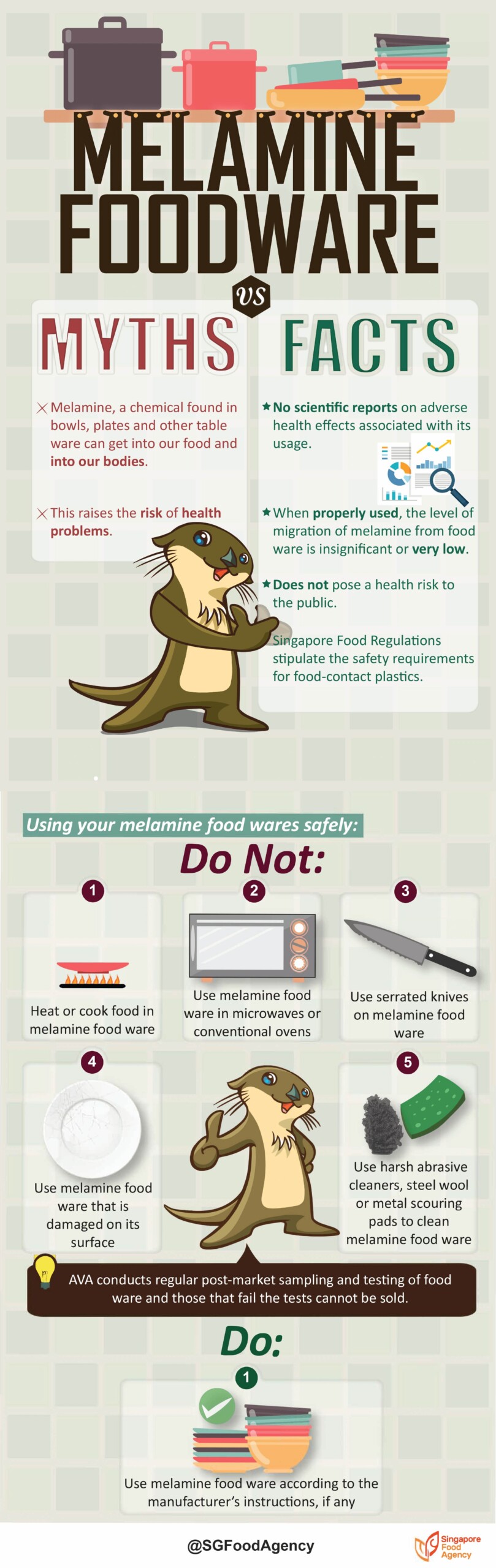
    Here is an infographics published by Singapore Food Agency

    Is melamine food ware safe to use?
    Is melamine food ware safe to use?

    In conclusion, melamine is a versatile and durable material that offers numerous benefits for restaurant dinnerware. Its unique properties, combined with advancements in manufacturing processes, make it an excellent choice for foodservice professionals looking to balance durability, aesthetics, and cost-effectiveness. As the industry continues to innovate, we can expect to see even more exciting developments in melamine technology, further cementing its place as a staple in restaurant tableware.

    By understanding the composition, properties, and advantages of melamine, you can make informed decisions about your dinnerware choices, ultimately enhancing your guests’ dining experience and your restaurant’s operational efficiency.

  • GOPPAR: Definition, Calculation, History, and Criticisms

    GOPPAR: Definition, Calculation, History, and Criticisms

    What Is GOPPAR?

    GOPPAR, or Gross Operating Profit Per Available Room, is a key performance indicator (KPI) used in the hospitality industry to measure a hotel’s profitability. Unlike traditional metrics such as RevPAR (Revenue Per Available Room), GOPPAR takes into account both revenue and operational costs, providing a more comprehensive view of a hotel’s financial performance.

    Formula and Calculation

    GOPPAR can be calculated using the following formula:

    GOPPAR = (Total Revenue - Total Operating Expenses) / Number of Available Rooms

    To calculate GOPPAR:

    1. Determine the total revenue from all sources (rooms, F&B, etc.)
    2. Subtract all operating expenses
    3. Divide the result by the total number of available rooms

    What Does GOPPAR Tell You?

    GOPPAR provides insights into:

    • Overall operational efficiency
    • Profitability per room, regardless of occupancy
    • Effectiveness of cost control measures
    • Comparison of performance across different hotels or periods

    Example of GOPPAR

    Let’s consider a hotel with the following monthly figures:

    • Total Revenue: ₹1,000,000
    • Total Operating Expenses: ₹700,000
    • Available Rooms: 200

    GOPPAR = (₹1,000,000 – ₹700,000) / 200 = ₹1,500

    This means the hotel is generating ₹1,500 in gross operating profit per available room.

    History of GOPPAR

    GOPPAR emerged as hotels sought more comprehensive performance metrics beyond RevPAR. It gained popularity in the early 2000s as the industry recognized the need to consider both revenue and costs in performance evaluation.

    Criticisms of GOPPAR

    While GOPPAR is widely used, it has some limitations:

    1. It doesn’t account for capital expenditures or debt service
    2. It may not reflect seasonal variations effectively
    3. It can be manipulated by reducing necessary expenses

    GOPPAR vs. RevPAR vs. TRevPAR

    • RevPAR focuses solely on room revenue
    • TRevPAR (Total Revenue Per Available Room) includes all revenue sources but ignores costs
    • GOPPAR provides a more complete picture by including both total revenue and operating costs

    GOPPAR vs. Net Operating Income

    While GOPPAR focuses on gross operating profit, Net Operating Income (NOI) takes into account additional expenses like property taxes and insurance, providing a different perspective on profitability.

    How to Use GOPPAR Effectively

    1. Benchmark against industry standards
    2. Compare performance across periods
    3. Use in conjunction with other KPIs for a holistic view
    4. Analyze trends to identify areas for improvement

    The Bottom Line

    GOPPAR is a valuable metric for hoteliers seeking to understand their true operational profitability. While it has limitations, when used in conjunction with other KPIs, it provides crucial insights for strategic decision-making and performance evaluation in the hospitality industry.

  • GOPPAR: Definition, Calculation, History, and Criticisms

    GOPPAR: Definition, Calculation, History, and Criticisms

    What Is GOPPAR?

    GOPPAR, or Gross Operating Profit Per Available Room, is a key performance indicator (KPI) used in the hospitality industry to measure a hotel’s profitability. Unlike traditional metrics such as RevPAR (Revenue Per Available Room), GOPPAR takes into account both revenue and operational costs, providing a more comprehensive view of a hotel’s financial performance.

    Formula and Calculation

    GOPPAR can be calculated using the following formula:

    GOPPAR = (Total Revenue - Total Operating Expenses) / Number of Available Rooms

    To calculate GOPPAR:

    1. Determine the total revenue from all sources (rooms, F&B, etc.)
    2. Subtract all operating expenses
    3. Divide the result by the total number of available rooms

    What Does GOPPAR Tell You?

    GOPPAR provides insights into:

    • Overall operational efficiency
    • Profitability per room, regardless of occupancy
    • Effectiveness of cost control measures
    • Comparison of performance across different hotels or periods

    Example of GOPPAR

    Let’s consider a hotel with the following monthly figures:

    • Total Revenue: ₹1,000,000
    • Total Operating Expenses: ₹700,000
    • Available Rooms: 200

    GOPPAR = (₹1,000,000 – ₹700,000) / 200 = ₹1,500

    This means the hotel is generating ₹1,500 in gross operating profit per available room.

    History of GOPPAR

    GOPPAR emerged as hotels sought more comprehensive performance metrics beyond RevPAR. It gained popularity in the early 2000s as the industry recognized the need to consider both revenue and costs in performance evaluation.

    Criticisms of GOPPAR

    While GOPPAR is widely used, it has some limitations:

    1. It doesn’t account for capital expenditures or debt service
    2. It may not reflect seasonal variations effectively
    3. It can be manipulated by reducing necessary expenses

    GOPPAR vs. RevPAR vs. TRevPAR

    • RevPAR focuses solely on room revenue
    • TRevPAR (Total Revenue Per Available Room) includes all revenue sources but ignores costs
    • GOPPAR provides a more complete picture by including both total revenue and operating costs

    GOPPAR vs. Net Operating Income

    While GOPPAR focuses on gross operating profit, Net Operating Income (NOI) takes into account additional expenses like property taxes and insurance, providing a different perspective on profitability.

    How to Use GOPPAR Effectively

    1. Benchmark against industry standards
    2. Compare performance across periods
    3. Use in conjunction with other KPIs for a holistic view
    4. Analyze trends to identify areas for improvement

    The Bottom Line

    GOPPAR is a valuable metric for hoteliers seeking to understand their true operational profitability. While it has limitations, when used in conjunction with other KPIs, it provides crucial insights for strategic decision-making and performance evaluation in the hospitality industry.

  • A guide to right placement of hotel room amenities

    A guide to right placement of hotel room amenities

    As a hotelier, you know that the little details can make a big difference in your guests’ experience. From the moment they step into their room, every hotel room amenities and supply contributes to their comfort and satisfaction. In this comprehensive guide, we’ll explore the standard placement of guest room supplies and amenities, helping you create the perfect environment for your guests.

    The Importance of Well-Placed Hotel Room Amenities

    Thoughtfully arranged room supplies not only enhance guest comfort but also showcase your attention to detail. By following industry standards and best practices, you can ensure that your guests have everything they need at their fingertips.

    A Room-by-Room Breakdown

    Let’s take a tour through a typical hotel room and explore the essential amenities for each area:

    1. Behind the Main Door

    The entrance area sets the tone for the guest’s stay. Here’s what you should consider placing:

    • Detailed fire exit plan or map
    • “Do Not Disturb” and “Make Up My Room” cards
    • Room service breakfast card
    • Key hotel policies and information

    2. Writing Desk Area

    The desk is a crucial workspace for many guests. Stock it with:

    • Stationery folder with monogrammed notepaper
    • Envelopes and postcards
    • Pen and pencil with hotel logo
    • Wi-Fi connection instructions
    • Hotel brochure and service information
    • Multi-pin universal travel adaptor (a thoughtful touch for international guests)

    3. Bedside Table

    Ensure your guests have easy access to essentials:

    • Telephone with quick dial buttons
    • Notepad and pencil
    • Service directory or information card
    • Alarm clock with built-in radio
    • Remote controls for TV and other electronics
    • Bedside lamp with adjustable settings

    4. Coffee Table

    Create a welcoming atmosphere with:

    • Local magazines or tourist guides
    • Fresh fruit basket or cookies
    • Room service menu

    5. Wardrobe and Drawers

    Provide convenience items such as:

    • Iron and foldable ironing board
    • Laundry bag and price list
    • Extra pillows and blankets
    • In-room safe with instructions
    • Cloth hangers

    6. Luggage Rack Area

    Don’t forget about footwear:

    • In-room slippers with hotel logo
    • Shoe shine kit

    7. Bathroom Essentials

    Stock the bathroom with high-quality toiletries and conveniences:

    8. Mini Bar Area

    If you offer a mini bar, consider including:

    • Assorted snacks and chocolates
    • Soft drinks and juices
    • Bottled water
    • Mini bottles of alcohol (if permitted)

    Tech-Savvy Touches

    In today’s digital age, consider adding:

    • USB charging ports by the bedside and desk
    • Smart TV with streaming capabilities
    • Tablet for in-room controls and hotel information

    Eco-Friendly Options

    Show your commitment to sustainability with:

    • Reusable water bottles
    • Refillable toiletry dispensers
    • Energy-efficient lighting and climate control

    Conclusion: Elevating the Guest Experience

    By paying attention to these details and ensuring that your room amenities are thoughtfully placed and well-maintained, you can create a memorable and comfortable experience for your guests. Remember, the goal is to anticipate their needs and exceed their expectations.

    Regularly review and update your amenities based on guest feedback and industry trends. This commitment to excellence will help you stand out in the competitive hospitality market and keep your guests coming back for more.

    Are you looking to streamline your hotel supplies procurement process? Consider partnering with a specialized B2B platform that understands the unique needs of the hospitality industry. With the right supplier, you can ensure that your rooms are always stocked with high-quality amenities, allowing you to focus on what matters most – delivering exceptional guest experiences.

  • Hotel Linen Supplier Tricks: Beware Low-Quality Traps

    Hotel Linen Supplier Tricks: Beware Low-Quality Traps

    In the competitive world of hospitality, the quality of your hotel linens can make or break a guest’s experience. But beware: some hotel linen suppliers use deceptive practices to sell low-quality products at tempting prices. As a savvy hotelier, it’s crucial to understand these tactics and make informed decisions about your linen procurement. Let’s pull back the curtain on the tricks of the trade and explore how to ensure you’re getting the best value for your investment.

    The Hidden Costs of Cheap Linens

    While those rock-bottom prices might look attractive on paper, cheap linens often come with a hefty hidden price tag:

    1. Shorter lifespan: You’ll be replacing these bargain linens faster than guests can say “checkout.”
    2. Guest dissatisfaction: Nothing ruins a stay faster than scratchy sheets or threadbare towels.
    3. Skyrocketing maintenance costs: Inferior linens often need more intensive cleaning and are prone to damage.
    4. Hotel’s brand image decline: Subpar linens can tarnish your hotel’s reputation quicker than a bad review goes viral.

    Unmasking the Tricks of Low-Cost Hotel Linen Suppliers

    Stay alert for these common tactics used by some hotel linen manufacturers to offer seemingly unbeatable prices:

    • Thread Count Trickery: They’re inflating thread counts faster than a poolside float, using multi-ply yarns to create the illusion of luxury.
    • Fabric Fakery: Blending low-grade cotton with synthetic fibers? It’s the textile equivalent of watering down the drinks.
    • Corner-Cutting Production: Skimping on finishing processes or using cheap dyes leads to linens that fade faster than summer vacation memories.
    • Certification Cons: Some suppliers flash fake eco-friendly labels like a magician’s sleight of hand. Don’t be fooled by this green-washing illusion!

    Your Linen Quality Checklist

    When evaluating hotel linens, keep these factors in mind:

    1. Fiber composition: 100% cotton is often the gold standard for softness and durability.
    2. Thread count reality check: A moderate thread count (200-400) of high-quality fibers often outperforms a higher count of inferior materials.
    3. Weave wisdom: Different weaves offer various benefits. Know your percale from your sateen!
    4. Finishing touches: Proper finishing processes ensure softness and longevity. Don’t let suppliers cut corners here.

    For a deeper dive into the nuances of hotel linen quality, including factors beyond thread count such as fiber types, weaves, and sustainability, check out our comprehensive guide “Beyond Thread Count: Hotel Linen Quality Indicators” on the Zarnik blog.

    The Bottom Line: Quality Pays Off

    Let’s crunch some numbers. Here’s a cost comparison over 3 years for a 50-room hotel:

    Linen TypeInitial Cost per SetReplacement FrequencyTotal Cost (3 years)
    Bargain Bin₹1,500Every 6 months₹4,50,000
    Quality₹3,000Every 18 months₹3,00,000

    Surprise! Those “cheap” linens are actually bleeding your budget dry. And that’s not even accounting for potential lost revenue from dissatisfied guests.

    Safeguarding Your Linen Investment

    Follow these steps to ensure you’re not being taken to the cleaners:

    1. Demand samples before bulk ordering. If they hesitate, consider it a red flag.
    2. Verify certifications. If it seems too good to be true, it probably is.
    3. Look at the total cost of ownership, not just the initial price tag.
    4. Partner with reputable suppliers who specialize in hospitality industry.
    5. For purchases above ₹3 lakhs, get both samples and delivered products tested at reputable fabric testing centers.

    Your Allies in Quality Assurance: Fabric Testing Centers

    When making significant linen purchases, let science be your guide. Here are some of India’s top fabric testing centers:

    1. SITRA (The South India Textile Research Association) – Coimbatore
    2. BTRA (Bombay Textile Research Association) – Mumbai
    3. NITRA (Northern India Textile Research Association) – Ghaziabad
    4. SASMIRA (Synthetic & Art Silk Mills Research Association) – Mumbai
    5. ATIRA (Ahmedabad Textile Industry’s Research Association) – Ahmedabad

    These centers offer unbiased, scientific analysis of your linen samples and delivered products. It’s like having a CSI team for your textiles!

    Why Zarnik Should Be Your Go-To for Hotel Linen Procurement

    At Zarnik, we’re not just another supplier – we’re your partners in procurement perfection. Here’s why savvy hoteliers choose us:

    1. Curated Selection: We’ve done the legwork, partnering with reputable hotel linen manufacturers so you don’t have to vet dozens of suppliers.
    2. Convenient Online Ordering: Browse and order 24/7, no endless phone calls or emails required.
    3. Doorstep Delivery: We bring the linens to you, hassle-free.
    4. Hospitality-Focused Products: All our products are tailored for the hotel industry, so you can focus on hospitality, not linen logistics.
    5. Hassle-Free Replacements: Damaged goods? We offer free replacements within 14 days of delivery.
    6. Quality Assurance: We offer professional testing services through SITRA for an additional fee, ensuring your linens meet the highest standards.
    7. Bulk Order Discounts: Enjoy competitive pricing that helps you manage your budget without compromising on quality.
    8. Expert Advice: Our team’s extensive hospitality knowledge is at your service, helping you choose the perfect linens for your needs.
    9. Streamlined Reordering: Found products you love? Reordering is a breeze, ensuring consistent quality for your guests.
    10. Comprehensive Product Information: Detailed specifications for each product mean you can make informed decisions without endless back-and-forth.

    Wrapping It Up: Don’t Let Your Linens Let You Down

    In the world of hotel linen procurement, knowledge is power – and now you’re armed with insider insights. Remember, when a deal seems too good to be true, it probably is. By focusing on quality and long-term value, you’ll ensure guest satisfaction, reduce costs over time, and keep your hotel’s reputation spotless.

    We want to hear your linen tales! Have you encountered these deceptive practices from hotel linen manufacturers? Share your experiences in the comments below. Your stories could help fellow hoteliers avoid costly mistakes and ensure their guests are wrapped in nothing but the best.

    About the Author

    Azhar Umar is the CEO and co-founder of Zarnik, India’s first B2B e-commerce marketplace for hotels. With years of experience in the hospitality industry, Azhar is on a mission to revolutionize hotel procurement, one quality linen at a time.

    References

    [1] Ren, L., Qiu, H., Wang, P., & Lin, P. M. (2016). Exploring customer experience with budget hotels: Dimensionality and satisfaction. International Journal of Hospitality Management, 52, 13-23.

  • Crafting an Effective Hotel Leave Policy for 24/7 Operations

    Crafting an Effective Hotel Leave Policy for 24/7 Operations

    As a hotelier with years of experience in the industry, I’ve seen firsthand how crucial a well-crafted hotel leave policy is for maintaining smooth operations while ensuring employee satisfaction. In the 24/7 world of hospitality, balancing staff needs with guest expectations can be challenging, but it’s essential for success.

    The Importance of a Comprehensive Hotel Leave Policy

    A thoughtfully designed hotel leave policy is vital for several reasons:

    1. Ensures continuous guest service
    2. Maintains staff morale and well-being
    3. Complies with Indian labor laws and regulations
    4. Manages operational costs effectively

    Key Components of an Effective Hotel Leave Policy

    1. Types of Leave

    Your hotel leave policy should clearly define various types of leave, including:

    Annual Leave (also known as Earned Leave or Privilege Leave)

    • Purpose: To provide employees with paid time off for rest, relaxation, and personal matters.
    • Sample Policy: “Employees are entitled to 12 days of Annual Leave per year, accruing at 1 day per month, which can be used after completion of one year of service.”
    • Legal Compliance: As per the Factories Act, 1948, every worker who has worked for 240 days or more in a factory during a calendar year shall be allowed leave with wages at the rate of one day for every 20 days of work performed[^1]. For establishments covered under the Shops and Establishments Act, the leave entitlement may vary by state.

    Casual Leave

    • Purpose: To allow employees to take time off for unforeseen circumstances or emergencies.
    • Sample Policy: “Employees are granted 12 days of Casual Leave per calendar year, with a maximum of 3 consecutive days allowed at a time.”
    • Legal Compliance: Casual Leave is not statutorily mandated in India. However, many organizations provide it as a benefit to employees. The number of days and terms may vary based on company policy.

    Sick Leave

    • Purpose: To provide paid time off for health-related absences and medical appointments.
    • Sample Policy: “Employees are entitled to 12 days of Sick Leave per year, with leaves exceeding 2 consecutive days requiring a medical certificate.”
    • Legal Compliance: The Factories Act, 1948 provides for 12 days of sick leave with full wages for workers who have completed 12 months of continuous service [^2]. For other establishments, sick leave provisions may be governed by state-specific Shops and Establishments Acts or company policy.

    Maternity Leave

    • Purpose: To support female employees before, during, and after childbirth.
    • Sample Policy: “Female employees are entitled to 26 weeks of paid Maternity Leave for the first two children, and 12 weeks for the third child.”
    • Legal Compliance: The Maternity Benefit (Amendment) Act, 2017 mandates 26 weeks of paid maternity leave for the first two children and 12 weeks for the third child. It also provides for 12 weeks of leave for adoptive and commissioning mothers [^3].

    Paternity Leave

    • Purpose: To allow new fathers time to support their partners and bond with their newborn.
    • Sample Policy: “Male employees are granted 5 days of Paternity Leave, to be taken within one month of the child’s birth.”
    • Legal Compliance: There is no statutory provision for paternity leave in the private sector in India. However, many companies offer it as a benefit. Central government employees are entitled to 15 days of paternity leave [^4].

    Bereavement Leave

    • Purpose: To provide employees time to grieve and attend funeral services for immediate family members.
    • Sample Policy: “Employees are entitled to 3 days of paid Bereavement Leave per occurrence for the death of an immediate family member.”
    • Legal Compliance: There is no statutory requirement for bereavement leave in India. Companies may offer it as part of their HR policy.

    Compensatory Off

    • Purpose: To compensate employees who work on their weekly offs or public holidays.
    • Sample Policy: “Employees who work on a weekly off or public holiday will be granted a Compensatory Off, to be availed within 30 days of accrual.”
    • Legal Compliance: While not specifically mandated, this aligns with the spirit of the Factories Act, 1948, which requires compensatory holidays for those working on weekly holidays [^5].

    Public Holidays

    • Purpose: To observe nationally and regionally significant days.
    • Sample Policy: “The hotel will publish a list of public holidays at the beginning of each calendar year, with employees working on these days eligible for overtime pay or Compensatory Off.”
    • Legal Compliance: The number of compulsory public holidays varies by state, typically ranging from 3 to 11 days. Additional holidays may be negotiated between employers and employees [^6].

    Weekly Offs

    • Purpose: To provide employees with regular rest periods.
    • Sample Policy: “All employees are entitled to one Weekly Off day, ensuring at least 24 consecutive hours of rest, as per the duty roster.”
    • Legal Compliance: The Factories Act, 1948 mandates that workers should get at least one day of rest in a week, with a minimum of 24 consecutive hours of rest [^7]. Similar provisions exist in various Shops and Establishments Acts.

    2. Leave Application Process

    Establish a clear process for leave applications:

    • Use a standardized leave application form
    • For leaves exceeding 7 days, apply at least 15 days in advance
    • Specify rules for same-day leave requests (e.g., allowed for sick leave but not for casual leave)

    3. Accumulation and Encashment Rules

    Define rules for leave accumulation and encashment:

    • Annual Leave can be accumulated up to a maximum of 24 days
    • Specify which leaves can be encashed at the time of separation (e.g., unutilized Annual Leave)

    4. Special Considerations of Hotel Leave Policies for 24/7 Operations

    Address the unique needs of round-the-clock hotel operations:

    • Compensatory Off policy for employees working on weekly offs or public holidays
    • Flexible weekly off system to ensure 24 consecutive hours of rest while maintaining operations

    5. Leave Rules During Notice Period

    Establish clear guidelines for leave during the notice period to ensure smooth transitions and maintain operational efficiency.

    Sample Policy: “During the notice period, all accumulated leaves are lapsed except Annual Leave and Compensatory Offs. No new leaves can be applied for or granted during this period except Weekly Offs and Public Holidays. Any leave taken during the notice period will result in Loss of Pay and may extend the notice period.”

    Compliance with Indian Labor Laws

    Ensure your hotel leave policy complies with Indian labor laws, including:

    Addressing Unique Hospitality Industry Challenges

    1. Peak Season Management

    Implement specific rules for leave during peak seasons:

    “Leave requests during peak seasons (e.g., December-January, local festivals) must be submitted at least 30 days in advance and are subject to management approval based on operational requirements.”

    2. Shift Work Considerations

    Tailor your leave policy to accommodate shift workers:

    • Allow for half-day leave options for casual and sick leave
    • Implement a fair system for allocating weekly offs across all shifts

    3. Long-term Leave Planning

    Encourage long-term leave planning to ensure adequate staffing:

    “Employees are encouraged to submit their leave plans for Annual Leave at the beginning of each quarter to facilitate better resource allocation.”

    Communication and Implementation

    To ensure the effectiveness of your hotel leave policy:

    1. Clearly communicate the policy to all employees during onboarding
    2. Make the policy easily accessible (e.g., in employee handbooks, intranets)
    3. Train managers on policy implementation and the importance of fair application
    4. Regularly review and update the policy to address changing needs and legal requirements

    Leveraging Technology for Leave Management

    At Zarnik, we’ve seen how technology can streamline leave management for hotels. Consider implementing a digital leave management system that:

    1. Facilitates easy leave applications and approvals
    2. Tracks leave balances in real-time
    3. Integrates with your scheduling system to highlight potential understaffing
    4. Provides analytics for better decision-making and policy refinement

    As the hospitality industry evolves, so too will leave policies. Here are some trends to watch:

    1. Flexible Leave Options: More hotels may adopt flexible leave policies, allowing employees to choose how they use their leave days.
    2. Mental Health Days: Recognition of mental health importance may lead to specific leave allocations for mental well-being.
    3. Remote Work Integration: As some hotel roles become more digital, policies may evolve to include provisions for remote work days.
    4. Personalized Leave Packages: Hotels may offer customizable leave packages as part of employee benefits to attract and retain talent.
    5. AI-Driven Leave Management: Advanced AI systems may help predict staffing needs and optimize leave approvals.
    6. Sustainability Leave: Some hotels may introduce leave options for employees to engage in environmental or community service activities.

    Creating an effective hotel leave policy is an ongoing process. It requires regular review and adaptation to changing laws, employee needs, and business requirements. By striking the right balance and staying ahead of trends, you can ensure smooth 24/7 operations while maintaining a satisfied and productive workforce.

    What has been your experience with leave policies in the hospitality industry? Have you implemented any innovative leave management strategies? Share your thoughts and experiences in the comments below. Your insights could help fellow hoteliers improve their own policies and practices.

    Important Disclaimer

    The legal compliance information provided in this article is for general guidance only and should not be blindly trusted or implemented without further verification. Labor laws and regulations are subject to change, and the specific clauses mentioned may have been amended since the publication of this article on August 20, 2024.

    Hotel owners and managers are strongly advised to refer to the most recent versions of the respective acts and consult with legal professionals to ensure full compliance with current labor laws. Additionally, state-specific regulations may apply, particularly for establishments covered under the Shops and Establishments Act.

    For a more comprehensive overview of leave rules in India, readers are encouraged to explore additional resources. The article “Various Leave Rules in India” by Ethika provides further insights and can be accessed at: https://www.ethika.co.in/blog/various-leave-rules-in-india/

    About the Author: Azhar is the co-founder and CEO of Zarnik, a B2B e-commerce platform revolutionizing procurement for the hospitality industry in India. With extensive experience in hotel management and technology, Azhar is passionate about improving operational efficiency in hotels through innovative solutions.

    [^1]: Section 79, The Factories Act, 1948
    [^2]: Section 5(1), The Employees’ State Insurance Act, 1948
    [^3]: Section 5(3), The Maternity Benefit (Amendment) Act, 2017
    [^4]: Central Civil Services (Leave) Rules, 1972
    [^5]: Section 53, The Factories Act, 1948
    [^6]: The National and Festival Holidays Act (varies by state)
    [^7]: Section 52, The Factories Act, 1948

  • Crafting an Effective Hotel Leave Policy for 24/7 Operations

    Crafting an Effective Hotel Leave Policy for 24/7 Operations

    As a hotelier with years of experience in the industry, I’ve seen firsthand how crucial a well-crafted hotel leave policy is for maintaining smooth operations while ensuring employee satisfaction. In the 24/7 world of hospitality, balancing staff needs with guest expectations can be challenging, but it’s essential for success.

    The Importance of a Comprehensive Hotel Leave Policy

    A thoughtfully designed hotel leave policy is vital for several reasons:

    1. Ensures continuous guest service
    2. Maintains staff morale and well-being
    3. Complies with Indian labor laws and regulations
    4. Manages operational costs effectively

    Key Components of an Effective Hotel Leave Policy

    1. Types of Leave

    Your hotel leave policy should clearly define various types of leave, including:

    Annual Leave (also known as Earned Leave or Privilege Leave)

    • Purpose: To provide employees with paid time off for rest, relaxation, and personal matters.
    • Sample Policy: “Employees are entitled to 12 days of Annual Leave per year, accruing at 1 day per month, which can be used after completion of one year of service.”
    • Legal Compliance: As per the Factories Act, 1948, every worker who has worked for 240 days or more in a factory during a calendar year shall be allowed leave with wages at the rate of one day for every 20 days of work performed[^1]. For establishments covered under the Shops and Establishments Act, the leave entitlement may vary by state.

    Casual Leave

    • Purpose: To allow employees to take time off for unforeseen circumstances or emergencies.
    • Sample Policy: “Employees are granted 12 days of Casual Leave per calendar year, with a maximum of 3 consecutive days allowed at a time.”
    • Legal Compliance: Casual Leave is not statutorily mandated in India. However, many organizations provide it as a benefit to employees. The number of days and terms may vary based on company policy.

    Sick Leave

    • Purpose: To provide paid time off for health-related absences and medical appointments.
    • Sample Policy: “Employees are entitled to 12 days of Sick Leave per year, with leaves exceeding 2 consecutive days requiring a medical certificate.”
    • Legal Compliance: The Factories Act, 1948 provides for 12 days of sick leave with full wages for workers who have completed 12 months of continuous service [^2]. For other establishments, sick leave provisions may be governed by state-specific Shops and Establishments Acts or company policy.

    Maternity Leave

    • Purpose: To support female employees before, during, and after childbirth.
    • Sample Policy: “Female employees are entitled to 26 weeks of paid Maternity Leave for the first two children, and 12 weeks for the third child.”
    • Legal Compliance: The Maternity Benefit (Amendment) Act, 2017 mandates 26 weeks of paid maternity leave for the first two children and 12 weeks for the third child. It also provides for 12 weeks of leave for adoptive and commissioning mothers [^3].

    Paternity Leave

    • Purpose: To allow new fathers time to support their partners and bond with their newborn.
    • Sample Policy: “Male employees are granted 5 days of Paternity Leave, to be taken within one month of the child’s birth.”
    • Legal Compliance: There is no statutory provision for paternity leave in the private sector in India. However, many companies offer it as a benefit. Central government employees are entitled to 15 days of paternity leave [^4].

    Bereavement Leave

    • Purpose: To provide employees time to grieve and attend funeral services for immediate family members.
    • Sample Policy: “Employees are entitled to 3 days of paid Bereavement Leave per occurrence for the death of an immediate family member.”
    • Legal Compliance: There is no statutory requirement for bereavement leave in India. Companies may offer it as part of their HR policy.

    Compensatory Off

    • Purpose: To compensate employees who work on their weekly offs or public holidays.
    • Sample Policy: “Employees who work on a weekly off or public holiday will be granted a Compensatory Off, to be availed within 30 days of accrual.”
    • Legal Compliance: While not specifically mandated, this aligns with the spirit of the Factories Act, 1948, which requires compensatory holidays for those working on weekly holidays [^5].

    Public Holidays

    • Purpose: To observe nationally and regionally significant days.
    • Sample Policy: “The hotel will publish a list of public holidays at the beginning of each calendar year, with employees working on these days eligible for overtime pay or Compensatory Off.”
    • Legal Compliance: The number of compulsory public holidays varies by state, typically ranging from 3 to 11 days. Additional holidays may be negotiated between employers and employees [^6].

    Weekly Offs

    • Purpose: To provide employees with regular rest periods.
    • Sample Policy: “All employees are entitled to one Weekly Off day, ensuring at least 24 consecutive hours of rest, as per the duty roster.”
    • Legal Compliance: The Factories Act, 1948 mandates that workers should get at least one day of rest in a week, with a minimum of 24 consecutive hours of rest [^7]. Similar provisions exist in various Shops and Establishments Acts.

    2. Leave Application Process

    Establish a clear process for leave applications:

    • Use a standardized leave application form
    • For leaves exceeding 7 days, apply at least 15 days in advance
    • Specify rules for same-day leave requests (e.g., allowed for sick leave but not for casual leave)

    3. Accumulation and Encashment Rules

    Define rules for leave accumulation and encashment:

    • Annual Leave can be accumulated up to a maximum of 24 days
    • Specify which leaves can be encashed at the time of separation (e.g., unutilized Annual Leave)

    4. Special Considerations of Hotel Leave Policies for 24/7 Operations

    Address the unique needs of round-the-clock hotel operations:

    • Compensatory Off policy for employees working on weekly offs or public holidays
    • Flexible weekly off system to ensure 24 consecutive hours of rest while maintaining operations

    5. Leave Rules During Notice Period

    Establish clear guidelines for leave during the notice period to ensure smooth transitions and maintain operational efficiency.

    Sample Policy: “During the notice period, all accumulated leaves are lapsed except Annual Leave and Compensatory Offs. No new leaves can be applied for or granted during this period except Weekly Offs and Public Holidays. Any leave taken during the notice period will result in Loss of Pay and may extend the notice period.”

    Compliance with Indian Labor Laws

    Ensure your hotel leave policy complies with Indian labor laws, including:

    Addressing Unique Hospitality Industry Challenges

    1. Peak Season Management

    Implement specific rules for leave during peak seasons:

    “Leave requests during peak seasons (e.g., December-January, local festivals) must be submitted at least 30 days in advance and are subject to management approval based on operational requirements.”

    2. Shift Work Considerations

    Tailor your leave policy to accommodate shift workers:

    • Allow for half-day leave options for casual and sick leave
    • Implement a fair system for allocating weekly offs across all shifts

    3. Long-term Leave Planning

    Encourage long-term leave planning to ensure adequate staffing:

    “Employees are encouraged to submit their leave plans for Annual Leave at the beginning of each quarter to facilitate better resource allocation.”

    Communication and Implementation

    To ensure the effectiveness of your hotel leave policy:

    1. Clearly communicate the policy to all employees during onboarding
    2. Make the policy easily accessible (e.g., in employee handbooks, intranets)
    3. Train managers on policy implementation and the importance of fair application
    4. Regularly review and update the policy to address changing needs and legal requirements

    Leveraging Technology for Leave Management

    At Zarnik, we’ve seen how technology can streamline leave management for hotels. Consider implementing a digital leave management system that:

    1. Facilitates easy leave applications and approvals
    2. Tracks leave balances in real-time
    3. Integrates with your scheduling system to highlight potential understaffing
    4. Provides analytics for better decision-making and policy refinement

    As the hospitality industry evolves, so too will leave policies. Here are some trends to watch:

    1. Flexible Leave Options: More hotels may adopt flexible leave policies, allowing employees to choose how they use their leave days.
    2. Mental Health Days: Recognition of mental health importance may lead to specific leave allocations for mental well-being.
    3. Remote Work Integration: As some hotel roles become more digital, policies may evolve to include provisions for remote work days.
    4. Personalized Leave Packages: Hotels may offer customizable leave packages as part of employee benefits to attract and retain talent.
    5. AI-Driven Leave Management: Advanced AI systems may help predict staffing needs and optimize leave approvals.
    6. Sustainability Leave: Some hotels may introduce leave options for employees to engage in environmental or community service activities.

    Creating an effective hotel leave policy is an ongoing process. It requires regular review and adaptation to changing laws, employee needs, and business requirements. By striking the right balance and staying ahead of trends, you can ensure smooth 24/7 operations while maintaining a satisfied and productive workforce.

    What has been your experience with leave policies in the hospitality industry? Have you implemented any innovative leave management strategies? Share your thoughts and experiences in the comments below. Your insights could help fellow hoteliers improve their own policies and practices.

    Important Disclaimer

    The legal compliance information provided in this article is for general guidance only and should not be blindly trusted or implemented without further verification. Labor laws and regulations are subject to change, and the specific clauses mentioned may have been amended since the publication of this article on August 20, 2024.

    Hotel owners and managers are strongly advised to refer to the most recent versions of the respective acts and consult with legal professionals to ensure full compliance with current labor laws. Additionally, state-specific regulations may apply, particularly for establishments covered under the Shops and Establishments Act.

    For a more comprehensive overview of leave rules in India, readers are encouraged to explore additional resources. The article “Various Leave Rules in India” by Ethika provides further insights and can be accessed at: https://www.ethika.co.in/blog/various-leave-rules-in-india/

    About the Author: Azhar is the co-founder and CEO of Zarnik, a B2B e-commerce platform revolutionizing procurement for the hospitality industry in India. With extensive experience in hotel management and technology, Azhar is passionate about improving operational efficiency in hotels through innovative solutions.

    [^1]: Section 79, The Factories Act, 1948
    [^2]: Section 5(1), The Employees’ State Insurance Act, 1948
    [^3]: Section 5(3), The Maternity Benefit (Amendment) Act, 2017
    [^4]: Central Civil Services (Leave) Rules, 1972
    [^5]: Section 53, The Factories Act, 1948
    [^6]: The National and Festival Holidays Act (varies by state)
    [^7]: Section 52, The Factories Act, 1948

  • 6 Travel Trends Reshaping Hospitality in 2024

    6 Travel Trends Reshaping Hospitality in 2024

    In an era of rapid technological advancement and evolving consumer preferences, the hospitality industry finds itself at a crossroads. As we navigate through 2024, several key travel trends are reshaping the landscape, compelling hotels and resorts to adapt swiftly or risk being left behind. Let’s explore these trends and their implications for the industry.

    1. The Rise of “Workcations”

    The pandemic-induced shift to remote work has given birth to a new trend: the “workcation.” This blend of work and leisure allows individuals to maintain their professional responsibilities while enjoying a change of scenery.

    • Over 20% of people in most countries plan to take a workcation in the near future
    • Hotels are adapting by offering:
      • Dedicated workspaces
      • Ergonomic furniture
      • High-speed internet connectivity
      • Coworking spaces
      • Networking events and social mixers

    2. Pop Culture Tourism and “Set-jetting”

    Pop Culture Tourism and "Set-jetting" Travel Trend

    The influence of pop culture on travel choices, particularly among Gen Z, cannot be overstated. “Set-jetting” – traveling to destinations featured in movies, TV shows, or books – has become a significant trend.

    • After “The White Lotus” aired, searches for Sicily hotels increased by 50%
    • Two-thirds of global travelers have researched destinations seen on streaming shows
    • 39% have booked trips after seeing locations in movies or TV series
    • Hotels can capitalize on this trend by:
      • Partnering with social media influencers
      • Organizing guided tours to famous film locations
      • Offering themed experiences related to popular franchises

    3. The “Instagrammability” Factor

    The "Instagrammability" Factor

    In today’s social media-driven world, the visual appeal of a destination plays a crucial role in travel decisions.

    • 70% of “travel enthusiasts” share their travel plans on Instagram
    • 67% use Instagram to find inspiration for their next destination
    • Hotels are responding by:
      • Incorporating visually striking elements into their design
      • Creating “Instagrammable” spots throughout their properties
      • Leveraging user-generated content in marketing strategies
      • Focusing on unique local viewpoints and landmarks in promotional materials

    4. Sustainability and Environmental Awareness

    The growing concern for environmental issues has made sustainability a major focus in the travel industry.

    • The sustainable travel market is growing at a CAGR of 14% from 2022 to 2030
    • Hotels are implementing various eco-friendly initiatives:
      • Eliminating single-use plastics
      • Offering eco-tourism packages
      • Promoting local and seasonal foods
      • Providing on-site bicycles for guest use
      • Obtaining and promoting green certifications
      • Engaging with local environmental initiatives
      • Working with carbon offset organizations

    5. Wellness Travel and “Travel Therapy”

    Wellness Travel and "Travel Therapy"

    Recognizing the therapeutic benefits of travel, more consumers are embracing “travel therapy” or wellness travel.

    • Activities focus on reducing stress and improving mental health
    • Popular wellness travel activities include:
      • Hiking
      • Yoga retreats
      • Spa visits
      • Meditation sessions
      • Hotels are responding by:
      • Collaborating with wellness experts
      • Offering outdoor adventure activities
      • Creating nature-centric experiences
      • Providing on-site fitness facilities and classes

    6. The Solo Travel Trend

    The Solo Travel Trend

    Solo travel, especially among Gen Z, has seen a significant surge. This trend reflects a shift in how younger generations perceive tourism.

    • Key aspects of solo travel include:
    • Flexibility in itineraries
    • Deeper engagement with local cultures
    • Focus on personal growth and self-discovery
    • Hotels are catering to solo travelers by offering:
      • Flexible plans and packages
      • Accommodations with single rooms
      • Communal areas for socializing
      • Enhanced security measures
      • Special pricing options for solo travelers
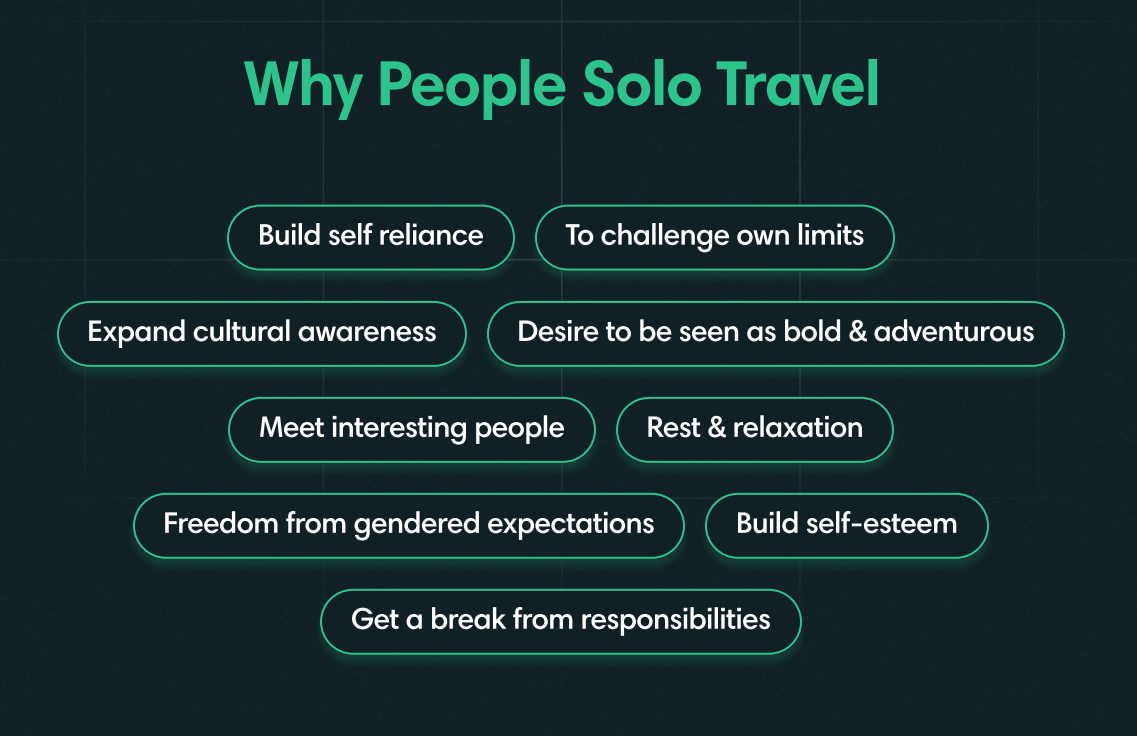
    Why people solo travel?
    Courtesy: 2024 Hospitality Technology Trends by PressReader.

    Conclusion

    As we move further into 2024, it’s clear that the hospitality industry must continue to evolve to meet changing traveler expectations. From offering seamless digital solutions to providing unique, personalized experiences, hotels that successfully adapt to these trends are likely to thrive in the competitive landscape.

    For a more comprehensive look at the technological innovations reshaping the hotel industry, I highly recommend downloading the “2024 Hospitality Technology Trends” report from PressReader. This insightful report delves deeper into the essential technology trends that hoteliers must adopt to stay competitive in today’s dynamic hospitality environment. You can access the report here.

    By staying attuned to these trends and leveraging technology to enhance guest experiences, the hospitality industry can navigate the challenges of 2024 and beyond, ensuring a bright and innovative future for travel.


    About the Author:

    Azhar Umar is a seasoned professional in the hospitality industry with over a decade of experience. As the CEO and CTO of Zarnik, India’s first B2B e-commerce marketplace for hotels, Azhar brings a unique perspective on the intersection of technology and hospitality. His expertise in both hotel operations and full-stack development allows him to provide valuable insights into the evolving landscape of the hospitality sector.

    We’d love to hear your thoughts on these travel trends! How do you see them impacting the hospitality industry? Share your perspectives in the comments below.

  • 6 Travel Trends Reshaping Hospitality in 2024

    6 Travel Trends Reshaping Hospitality in 2024

    In an era of rapid technological advancement and evolving consumer preferences, the hospitality industry finds itself at a crossroads. As we navigate through 2024, several key travel trends are reshaping the landscape, compelling hotels and resorts to adapt swiftly or risk being left behind. Let’s explore these trends and their implications for the industry.

    1. The Rise of “Workcations”

    The pandemic-induced shift to remote work has given birth to a new trend: the “workcation.” This blend of work and leisure allows individuals to maintain their professional responsibilities while enjoying a change of scenery.

    • Over 20% of people in most countries plan to take a workcation in the near future
    • Hotels are adapting by offering:
      • Dedicated workspaces
      • Ergonomic furniture
      • High-speed internet connectivity
      • Coworking spaces
      • Networking events and social mixers

    2. Pop Culture Tourism and “Set-jetting”

    Pop Culture Tourism and "Set-jetting" Travel Trend

    The influence of pop culture on travel choices, particularly among Gen Z, cannot be overstated. “Set-jetting” – traveling to destinations featured in movies, TV shows, or books – has become a significant trend.

    • After “The White Lotus” aired, searches for Sicily hotels increased by 50%
    • Two-thirds of global travelers have researched destinations seen on streaming shows
    • 39% have booked trips after seeing locations in movies or TV series
    • Hotels can capitalize on this trend by:
      • Partnering with social media influencers
      • Organizing guided tours to famous film locations
      • Offering themed experiences related to popular franchises

    3. The “Instagrammability” Factor

    The "Instagrammability" Factor

    In today’s social media-driven world, the visual appeal of a destination plays a crucial role in travel decisions.

    • 70% of “travel enthusiasts” share their travel plans on Instagram
    • 67% use Instagram to find inspiration for their next destination
    • Hotels are responding by:
      • Incorporating visually striking elements into their design
      • Creating “Instagrammable” spots throughout their properties
      • Leveraging user-generated content in marketing strategies
      • Focusing on unique local viewpoints and landmarks in promotional materials

    4. Sustainability and Environmental Awareness

    The growing concern for environmental issues has made sustainability a major focus in the travel industry.

    • The sustainable travel market is growing at a CAGR of 14% from 2022 to 2030
    • Hotels are implementing various eco-friendly initiatives:
      • Eliminating single-use plastics
      • Offering eco-tourism packages
      • Promoting local and seasonal foods
      • Providing on-site bicycles for guest use
      • Obtaining and promoting green certifications
      • Engaging with local environmental initiatives
      • Working with carbon offset organizations

    5. Wellness Travel and “Travel Therapy”

    Wellness Travel and "Travel Therapy"

    Recognizing the therapeutic benefits of travel, more consumers are embracing “travel therapy” or wellness travel.

    • Activities focus on reducing stress and improving mental health
    • Popular wellness travel activities include:
      • Hiking
      • Yoga retreats
      • Spa visits
      • Meditation sessions
      • Hotels are responding by:
      • Collaborating with wellness experts
      • Offering outdoor adventure activities
      • Creating nature-centric experiences
      • Providing on-site fitness facilities and classes

    6. The Solo Travel Trend

    The Solo Travel Trend

    Solo travel, especially among Gen Z, has seen a significant surge. This trend reflects a shift in how younger generations perceive tourism.

    • Key aspects of solo travel include:
    • Flexibility in itineraries
    • Deeper engagement with local cultures
    • Focus on personal growth and self-discovery
    • Hotels are catering to solo travelers by offering:
      • Flexible plans and packages
      • Accommodations with single rooms
      • Communal areas for socializing
      • Enhanced security measures
      • Special pricing options for solo travelers
    Why people solo travel?
    Courtesy: 2024 Hospitality Technology Trends by PressReader.

    Conclusion

    As we move further into 2024, it’s clear that the hospitality industry must continue to evolve to meet changing traveler expectations. From offering seamless digital solutions to providing unique, personalized experiences, hotels that successfully adapt to these trends are likely to thrive in the competitive landscape.

    For a more comprehensive look at the technological innovations reshaping the hotel industry, I highly recommend downloading the “2024 Hospitality Technology Trends” report from PressReader. This insightful report delves deeper into the essential technology trends that hoteliers must adopt to stay competitive in today’s dynamic hospitality environment. You can access the report here.

    By staying attuned to these trends and leveraging technology to enhance guest experiences, the hospitality industry can navigate the challenges of 2024 and beyond, ensuring a bright and innovative future for travel.


    About the Author:

    Azhar Umar is a seasoned professional in the hospitality industry with over a decade of experience. As the CEO and CTO of Zarnik, India’s first B2B e-commerce marketplace for hotels, Azhar brings a unique perspective on the intersection of technology and hospitality. His expertise in both hotel operations and full-stack development allows him to provide valuable insights into the evolving landscape of the hospitality sector.

    We’d love to hear your thoughts on these travel trends! How do you see them impacting the hospitality industry? Share your perspectives in the comments below.