Blog

  • Avoiding Bamboo Amenities in Humid Climates

    Avoiding Bamboo Amenities in Humid Climates

    In the hospitality industry, providing eco-friendly and aesthetically pleasing amenities is a growing trend. Bamboo products, in particular, have gained popularity due to their sustainable nature and elegant appearance. However, for resorts located in humid regions, the use of bamboo amenities can lead to unexpected challenges. This article explores the potential problems associated with bamboo products in high-moisture environments and offers practical solutions for maintaining a clean, safe, and comfortable atmosphere for your guests.

    The Moisture Dilemma: Why Bamboo May Not Be Your Best Choice

    Resorts in tropical or humid climates face a constant battle against moisture. While bamboo is a versatile and renewable material, it’s also highly susceptible to mold and mildew growth when exposed to excessive humidity. This vulnerability can lead to several issues:

    1. Rapid Deterioration: In high-moisture environments, bamboo products can deteriorate much faster than in drier climates. This accelerated breakdown not only affects the appearance of your amenities but can also lead to unpleasant odors and potential health hazards for your guests.
    2. Mold and Mildew Growth: Bamboo’s porous nature makes it an ideal breeding ground for mold and mildew, especially in humid conditions. These fungi can cause discoloration, musty smells, and even allergic reactions in sensitive individuals.
    3. Increased Replacement Costs: Due to the faster deterioration rate, resorts may find themselves replacing bamboo amenities more frequently, leading to higher operational costs and increased waste.
    4. Guest Dissatisfaction: Moldy or deteriorating amenities can significantly impact guest experience, potentially leading to negative reviews and decreased bookings.

    A fresh packed bamboo toothbrush covered in mold. Source: https://www.reddit.com/

    The Limitations of Anti-Mold Treatments

    Many manufacturers offer bamboo products treated with anti-mold agents, claiming to solve the moisture problem. However, these treatments are not always as effective as advertised, especially in consistently humid environments. Here’s why:

    1. Limited Duration: Anti-mold treatments often have a limited lifespan, which can be further shortened by constant exposure to moisture.
    2. Inconsistent Application: Not all products undergo the same level of treatment, leading to varying degrees of effectiveness across different items.
    3. Environmental Factors: The extreme conditions in some humid regions can overwhelm even the most robust anti-mold treatments.
    4. Chemical Concerns: Some guests may be sensitive to the chemicals used in anti-mold treatments, potentially causing skin irritations or allergic reactions.

    Fungus formation on bamboo toothbrush. Source: https://www.reddit.com/

    Beyond Bamboo: The Wider Impact of Humidity on Resort Supplies

    It’s important to note that the challenges of high-moisture environments extend beyond bamboo products. Many common resort supplies can be affected, including:

    1. Paper Products: Toilet paper, tissues, and stationery can absorb moisture, leading to degradation and potential mold growth.
    2. Textiles: Bed linens, towels, and upholstery may develop musty odors if not properly dried and stored.
    3. Wooden Furniture: Like bamboo, wooden furniture can warp, crack, or develop mold in humid conditions.
    4. Electronics: High humidity can cause corrosion and malfunction in electronic devices provided for guest use.

    Best Practices for Managing Resort Supplies in Humid Climates

    To maintain a high standard of cleanliness and guest satisfaction in humid environments, consider implementing these strategies:

    1. Limit Supply Quantities: Instead of stocking up on large quantities of supplies, opt for more frequent, smaller orders. This approach helps ensure that products are used before they have a chance to deteriorate or develop mold.
    2. Choose Moisture-Resistant Alternatives: Look for amenities specifically designed for high-humidity environments. Materials like treated plastics, stainless steel, or specially coated natural materials may be more suitable.
    3. Implement Proper Storage Practices: Store supplies in cool, dry areas with good ventilation. Use dehumidifiers in storage rooms to maintain optimal humidity levels.
    4. Regular Inspections: Conduct frequent checks of all amenities and supplies to catch any signs of mold or deterioration early.
    5. Enhance Ventilation: Improve air circulation in guest rooms and common areas to reduce moisture buildup. Consider installing exhaust fans in bathrooms and other high-humidity zones.
    6. Educate Staff: Train your housekeeping and maintenance teams on identifying and addressing moisture-related issues promptly.
    7. Use Moisture-Absorbing Products: Place silica gel packets or other moisture-absorbing products in drawers and closets to help keep amenities dry.
    8. Rotate Stock: Implement a first-in, first-out inventory system to ensure that older supplies are used before newer ones.

    Sustainable Alternatives to Bamboo

    For resorts committed to eco-friendly practices, there are several sustainable alternatives to bamboo that perform better in humid environments:

    1. Recycled Plastics: Many companies now offer amenities made from recycled ocean plastics, combining sustainability with moisture resistance.
    2. Cork: Naturally antimicrobial and moisture-resistant, cork can be an excellent choice for some amenities.
    3. Treated Wood: Certain hardwoods, when properly treated, can withstand humid conditions better than bamboo.
    4. Biodegradable Plastics: Made from plant-based materials, these can offer the benefits of plastic without the long-term environmental impact.

    Conclusion: Balancing Sustainability and Practicality

    While the desire to offer eco-friendly amenities is commendable, it’s crucial for resorts in humid climates to prioritize the longevity and safety of their supplies. By understanding the unique challenges posed by high-moisture environments and implementing targeted strategies, you can maintain a clean, comfortable, and sustainable atmosphere for your guests.

    Remember, the key to success lies in choosing the right products for your specific environment, managing your inventory effectively, and maintaining vigilant care of your amenities and supplies. With these practices in place, you can create a truly exceptional experience for your guests while minimizing waste and operational costs.

    By adapting your approach to the realities of your climate, you’re not just avoiding potential issues – you’re demonstrating a commitment to quality, sustainability, and guest satisfaction that will set your resort apart in a competitive industry.

    Here is a research article: Retention of Candida Species on Plastic and Bamboo Toothbrushes. A Comparative Study

  • Top OTAs in India: Complete 2024 Guide for Hoteliers

    Top OTAs in India: Complete 2024 Guide for Hoteliers

    In recent years, India’s travel industry has undergone a dramatic transformation, with online bookings becoming increasingly prevalent. As the country’s digital infrastructure improves and smartphone usage skyrockets, Online Travel Agencies (OTAs) have become critical players in the travel ecosystem. For hoteliers and property owners, understanding this landscape is crucial, as is knowing how to optimize your OTA listings to stand out in a competitive market.

    This article provides an in-depth look at the top OTAs in India, their market positions, and effective strategies for maximizing your visibility on these platforms. Before we dive into the list, it’s worth noting that each OTA has its unique strengths and audience. To make the most of your online presence, consider implementing these 15 OTA listing optimization strategies across all platforms you use.

    Now, let’s explore the top OTAs in Indian who are dominating the market:

    18 Top OTAs in India

    1. MakeMyTrip (Including Goibibo)
      • Market Share: Approximately 54%
      • Key Features: Comprehensive travel services, including flights, hotels, holiday packages, and more
      • Notable: Merged with Goibibo in 2016, consolidating its market leadership
      • Optimization Tip: Utilize high-quality images and detailed descriptions to stand out on this popular platform. Learn more about effective listing strategies.
    2. Cleartrip
      • Market Share: Around 8.5%
      • Key Features: User-friendly interface, focus on flights and hotels
      • Notable: Partnered with Amazon’s Alexa for voice-based bookings
      • Optimization Tip: Ensure your listing is mobile-friendly, as Cleartrip has a strong mobile user base.
    3. EaseMyTrip
      • Market Share: Approximately 8.1%
      • Key Features: Known for its no-convenience fee model
      • Notable: Rapidly growing player in the market
      • Optimization Tip: Highlight any special offers or value-adds to attract cost-conscious travelers.
    4. Yatra
      • Key Features: Wide range of travel services, strong in corporate travel
      • Notable: Listed on NASDAQ, recently acquired by Ebix
      • Optimization Tip: If you cater to business travelers, emphasize amenities that appeal to this demographic.
    5. Booking.com
      • Key Features: Global player with a strong and growing presence in India
      • Notable: Extensive inventory of accommodations worldwide
      • Optimization Tip: Maintain a high-quality score by responding promptly to guest reviews. See more tips here.
    6. Expedia
      • Key Features: Global OTA offering a wide range of travel services
      • Notable: Known for its package deals and loyalty program
      • Optimization Tip: Leverage Expedia’s package offerings by ensuring your property is eligible for flight + hotel deals.
    7. Agoda
      • Key Features: Strong presence in Asia, including India
      • Notable: Part of Booking Holdings, known for competitive pricing
      • Optimization Tip: Keep an eye on competitor pricing and adjust yours accordingly to remain competitive.
    8. Ixigo
      • Key Features: Meta-search engine and OTA, strong in the rail segment
      • Notable: Uses AI and machine learning for personalized recommendations
      • Optimization Tip: Provide detailed information about nearby transportation options to appeal to rail travelers.
    9. Via.com
      • Key Features: Offers a wide range of travel services
      • Notable: Strong presence in tier 2 and tier 3 cities
      • Optimization Tip: If you’re located in a smaller city, highlight local attractions and experiences in your listing.
    10. Paytm Travel
      • Key Features: Part of the popular Paytm ecosystem
      • Notable: Leverages its large user base from its digital payment platform
      • Optimization Tip: Consider offering special deals for Paytm users to tap into this large customer base.
    11. Musafir.com
      • Key Features: Focuses on both leisure and business travel
      • Notable: Strong presence in the Middle East market as well
      • Optimization Tip: If you cater to international travelers, highlight any services that might appeal to Middle Eastern guests.
    12. SOTC
      • Key Features: Specializes in holiday packages and MICE travel
      • Notable: One of the oldest travel brands in India
      • Optimization Tip: If you have facilities for events or conferences, make sure they’re prominently featured in your listing.
    13. Thomas Cook India
      • Key Features: Offers a wide range of travel and forex services
      • Notable: Strong brand recognition and extensive offline presence
      • Optimization Tip: Highlight any partnerships or special offers you have with local tour operators or activity providers.
    14. Riya Travel
      • Key Features: Focuses on both leisure and corporate travel
      • Notable: One of the largest travel companies in India with a significant offline presence
      • Optimization Tip: Ensure your offline and online offerings are consistent to provide a seamless experience for guests.
    15. Airbnb
      • Key Features: Platform for unique stays and experiences
      • Notable: Growing rapidly in India, especially in the alternative accommodations segment
      • Optimization Tip: Highlight unique features of your property and local experiences you can offer guests.
    16. Tripadvisor
      • Key Features: Review platform with booking capabilities
      • Notable: Influential in travel decision-making due to its vast collection of user reviews
      • Optimization Tip: Actively manage your Tripadvisor presence, responding to reviews and keeping your information up-to-date. Learn more about managing online reviews.
    17. Travelguru
      • Key Features: Specializes in hotel bookings
      • Notable: Now owned by Yatra, but maintains its own brand identity
      • Optimization Tip: Focus on highlighting your room types and amenities, as Travelguru users are specifically looking for accommodations.
    18. Travelboutiqueonline (TBO)
      • Key Features: B2B travel technology provider
      • Notable: Powers many smaller OTAs and travel agents in India
      • Optimization Tip: Ensure your property is listed with TBO to increase your visibility across multiple smaller OTAs.
    1. Mobile-First Approach: With increasing smartphone penetration, OTAs are focusing on mobile apps and mobile-optimized websites. Ensure your listings are mobile-friendly across all platforms.
    2. Personalization: OTAs are leveraging AI and machine learning to offer personalized recommendations and deals. Provide detailed information about your property to help these algorithms match you with the right guests.
    3. Alternative Accommodations: There’s growing interest in unique stays, driving the growth of platforms like Airbnb. If you offer a unique experience, make sure to highlight it in your listings.
    4. Domestic Travel Focus: Post-pandemic, there’s a strong emphasis on domestic travel and staycations. Tailor your offerings and descriptions to appeal to local travelers.
    5. Integrated Services: OTAs are expanding beyond travel to offer complementary services like food delivery and local experiences. Consider partnering with local attractions or restaurants to enhance your offerings.

    Optimizing Your Presence Across OTAs

    While each OTA has its unique features, there are some universal strategies you can apply to optimize your listings across all platforms:

    1. Use high-quality images: Visual appeal is crucial in the travel industry. Invest in professional photography to showcase your property at its best.
    2. Write compelling descriptions: Highlight what makes your property unique and appeal to your target audience’s needs and desires.
    3. Maintain rate parity: Consistent pricing across all platforms builds trust with potential guests and maintains good relationships with OTAs.
    4. Respond to reviews promptly: Engage with both positive and negative reviews to show that you value guest feedback.
    5. Keep your information up-to-date: Regularly update your amenities, policies, and availability to ensure accuracy across all platforms.

    For a more comprehensive guide on how to make your listings stand out, check out our detailed article on 15 OTA listing optimization strategies. These tactics can help you increase your visibility, improve your conversion rates, and ultimately drive more bookings across all OTA platforms.

    The Future of OTAs in India

    The Indian OTA market is poised for significant growth, with projections suggesting it could reach $15 billion by 2024. As the market evolves, staying ahead of the curve in terms of optimization strategies will be crucial for success.

    For hoteliers and property owners, having a strong presence across multiple OTAs is essential. However, it’s equally important to optimize your OTA listings to stand out in this competitive landscape. By understanding the strengths of each platform and tailoring your approach accordingly, you can maximize your visibility and bookings in India’s booming online travel market.

    Remember, the key to success in the OTA landscape is not just about being present on multiple platforms or on all the top OTAs in India, but about presenting your property in the best possible light on each one. By implementing effective optimization strategies, you can ensure that your property stands out, regardless of which OTA a potential guest is using.

  • Top OTAs in India: Complete 2024 Guide for Hoteliers

    Top OTAs in India: Complete 2024 Guide for Hoteliers

    In recent years, India’s travel industry has undergone a dramatic transformation, with online bookings becoming increasingly prevalent. As the country’s digital infrastructure improves and smartphone usage skyrockets, Online Travel Agencies (OTAs) have become critical players in the travel ecosystem. For hoteliers and property owners, understanding this landscape is crucial, as is knowing how to optimize your OTA listings to stand out in a competitive market.

    This article provides an in-depth look at the top OTAs in India, their market positions, and effective strategies for maximizing your visibility on these platforms. Before we dive into the list, it’s worth noting that each OTA has its unique strengths and audience. To make the most of your online presence, consider implementing these 15 OTA listing optimization strategies across all platforms you use.

    Now, let’s explore the top OTAs in Indian who are dominating the market:

    18 Top OTAs in India

    1. MakeMyTrip (Including Goibibo)
      • Market Share: Approximately 54%
      • Key Features: Comprehensive travel services, including flights, hotels, holiday packages, and more
      • Notable: Merged with Goibibo in 2016, consolidating its market leadership
      • Optimization Tip: Utilize high-quality images and detailed descriptions to stand out on this popular platform. Learn more about effective listing strategies.
    2. Cleartrip
      • Market Share: Around 8.5%
      • Key Features: User-friendly interface, focus on flights and hotels
      • Notable: Partnered with Amazon’s Alexa for voice-based bookings
      • Optimization Tip: Ensure your listing is mobile-friendly, as Cleartrip has a strong mobile user base.
    3. EaseMyTrip
      • Market Share: Approximately 8.1%
      • Key Features: Known for its no-convenience fee model
      • Notable: Rapidly growing player in the market
      • Optimization Tip: Highlight any special offers or value-adds to attract cost-conscious travelers.
    4. Yatra
      • Key Features: Wide range of travel services, strong in corporate travel
      • Notable: Listed on NASDAQ, recently acquired by Ebix
      • Optimization Tip: If you cater to business travelers, emphasize amenities that appeal to this demographic.
    5. Booking.com
      • Key Features: Global player with a strong and growing presence in India
      • Notable: Extensive inventory of accommodations worldwide
      • Optimization Tip: Maintain a high-quality score by responding promptly to guest reviews. See more tips here.
    6. Expedia
      • Key Features: Global OTA offering a wide range of travel services
      • Notable: Known for its package deals and loyalty program
      • Optimization Tip: Leverage Expedia’s package offerings by ensuring your property is eligible for flight + hotel deals.
    7. Agoda
      • Key Features: Strong presence in Asia, including India
      • Notable: Part of Booking Holdings, known for competitive pricing
      • Optimization Tip: Keep an eye on competitor pricing and adjust yours accordingly to remain competitive.
    8. Ixigo
      • Key Features: Meta-search engine and OTA, strong in the rail segment
      • Notable: Uses AI and machine learning for personalized recommendations
      • Optimization Tip: Provide detailed information about nearby transportation options to appeal to rail travelers.
    9. Via.com
      • Key Features: Offers a wide range of travel services
      • Notable: Strong presence in tier 2 and tier 3 cities
      • Optimization Tip: If you’re located in a smaller city, highlight local attractions and experiences in your listing.
    10. Paytm Travel
      • Key Features: Part of the popular Paytm ecosystem
      • Notable: Leverages its large user base from its digital payment platform
      • Optimization Tip: Consider offering special deals for Paytm users to tap into this large customer base.
    11. Musafir.com
      • Key Features: Focuses on both leisure and business travel
      • Notable: Strong presence in the Middle East market as well
      • Optimization Tip: If you cater to international travelers, highlight any services that might appeal to Middle Eastern guests.
    12. SOTC
      • Key Features: Specializes in holiday packages and MICE travel
      • Notable: One of the oldest travel brands in India
      • Optimization Tip: If you have facilities for events or conferences, make sure they’re prominently featured in your listing.
    13. Thomas Cook India
      • Key Features: Offers a wide range of travel and forex services
      • Notable: Strong brand recognition and extensive offline presence
      • Optimization Tip: Highlight any partnerships or special offers you have with local tour operators or activity providers.
    14. Riya Travel
      • Key Features: Focuses on both leisure and corporate travel
      • Notable: One of the largest travel companies in India with a significant offline presence
      • Optimization Tip: Ensure your offline and online offerings are consistent to provide a seamless experience for guests.
    15. Airbnb
      • Key Features: Platform for unique stays and experiences
      • Notable: Growing rapidly in India, especially in the alternative accommodations segment
      • Optimization Tip: Highlight unique features of your property and local experiences you can offer guests.
    16. Tripadvisor
      • Key Features: Review platform with booking capabilities
      • Notable: Influential in travel decision-making due to its vast collection of user reviews
      • Optimization Tip: Actively manage your Tripadvisor presence, responding to reviews and keeping your information up-to-date. Learn more about managing online reviews.
    17. Travelguru
      • Key Features: Specializes in hotel bookings
      • Notable: Now owned by Yatra, but maintains its own brand identity
      • Optimization Tip: Focus on highlighting your room types and amenities, as Travelguru users are specifically looking for accommodations.
    18. Travelboutiqueonline (TBO)
      • Key Features: B2B travel technology provider
      • Notable: Powers many smaller OTAs and travel agents in India
      • Optimization Tip: Ensure your property is listed with TBO to increase your visibility across multiple smaller OTAs.
    1. Mobile-First Approach: With increasing smartphone penetration, OTAs are focusing on mobile apps and mobile-optimized websites. Ensure your listings are mobile-friendly across all platforms.
    2. Personalization: OTAs are leveraging AI and machine learning to offer personalized recommendations and deals. Provide detailed information about your property to help these algorithms match you with the right guests.
    3. Alternative Accommodations: There’s growing interest in unique stays, driving the growth of platforms like Airbnb. If you offer a unique experience, make sure to highlight it in your listings.
    4. Domestic Travel Focus: Post-pandemic, there’s a strong emphasis on domestic travel and staycations. Tailor your offerings and descriptions to appeal to local travelers.
    5. Integrated Services: OTAs are expanding beyond travel to offer complementary services like food delivery and local experiences. Consider partnering with local attractions or restaurants to enhance your offerings.

    Optimizing Your Presence Across OTAs

    While each OTA has its unique features, there are some universal strategies you can apply to optimize your listings across all platforms:

    1. Use high-quality images: Visual appeal is crucial in the travel industry. Invest in professional photography to showcase your property at its best.
    2. Write compelling descriptions: Highlight what makes your property unique and appeal to your target audience’s needs and desires.
    3. Maintain rate parity: Consistent pricing across all platforms builds trust with potential guests and maintains good relationships with OTAs.
    4. Respond to reviews promptly: Engage with both positive and negative reviews to show that you value guest feedback.
    5. Keep your information up-to-date: Regularly update your amenities, policies, and availability to ensure accuracy across all platforms.

    For a more comprehensive guide on how to make your listings stand out, check out our detailed article on 15 OTA listing optimization strategies. These tactics can help you increase your visibility, improve your conversion rates, and ultimately drive more bookings across all OTA platforms.

    The Future of OTAs in India

    The Indian OTA market is poised for significant growth, with projections suggesting it could reach $15 billion by 2024. As the market evolves, staying ahead of the curve in terms of optimization strategies will be crucial for success.

    For hoteliers and property owners, having a strong presence across multiple OTAs is essential. However, it’s equally important to optimize your OTA listings to stand out in this competitive landscape. By understanding the strengths of each platform and tailoring your approach accordingly, you can maximize your visibility and bookings in India’s booming online travel market.

    Remember, the key to success in the OTA landscape is not just about being present on multiple platforms or on all the top OTAs in India, but about presenting your property in the best possible light on each one. By implementing effective optimization strategies, you can ensure that your property stands out, regardless of which OTA a potential guest is using.

  • 15 Effective OTA Listing Optimization Strategies

    15 Effective OTA Listing Optimization Strategies

    In today’s digital-first hospitality landscape, OTA listing optimization is crucial for hotels aiming to maximize their online visibility and bookings. This comprehensive guide explores 15 proven strategies for effective OTA listing optimization, helping you attract more guests and boost your hotel’s performance on these vital platforms.

    Key OTA Listing Optimization Strategies

    1. Use High-Quality Visuals
      • Showcase your property with professional, high-resolution photos
      • Include images of all room types, amenities, and unique features
      • Consider adding virtual tours to give potential guests a more immersive experience
    2. Optimize Content with Location Keywords
      • Incorporate relevant location keywords in your property title and description
      • Mention nearby landmarks, attractions, and neighborhoods
      • Use local terms and colloquialisms that potential guests might search for
      • Example: “Beachfront Hotel in South Mumbai, 5 minutes from Gateway of India”
    3. Maintain Rate Parity
      • Ensure consistent pricing across all distribution channels
      • Avoid conflicts with OTAs by maintaining agreed-upon rate parity
      • Use rate parity tools to monitor and manage your pricing effectively
    4. Respond Promptly to Reviews
      • Set up alerts for new reviews and respond within 24-48 hours
      • Address negative feedback professionally and highlight steps taken to improve
      • Thank guests for positive reviews and encourage them to return
    5. Offer Pay-at-Hotel Option
      • Provide flexibility for guests who prefer to pay upon arrival
      • Clearly communicate any differences in rates between prepaid and pay-at-hotel options
      • Ensure your property management system can handle both payment methods efficiently
    6. Implement Free Cancellation Policies
      • Offer free cancellation up to a certain date to encourage bookings
      • Clearly state the terms and cutoff date for free cancellation
      • Consider tiered cancellation policies based on the booking window
    7. Provide Refundable and Non-Refundable Options
      • Offer both refundable and non-refundable rates to cater to different guest preferences
      • Use non-refundable rates to advertise lower prices and attract price-sensitive travelers
      • Ensure the benefits and restrictions of each option are clearly communicated
    8. Diversify Room Options
      • Offer rooms with and without breakfast, especially for business hotels
      • Clearly display the price difference between these options
      • Highlight the convenience and value of including breakfast in the room rate
    9. Implement Flexible Check-In/Check-Out Policies
      • Offer free early check-in and late check-out when possible
      • Communicate this policy clearly in your OTA listings to attract guests with irregular travel schedules
      • Consider offering this as a perk for direct bookings or loyalty program members
    10. Provide Complimentary Shuttle Services
      • If your hotel is near an airport, railway station, golf course, or event venue, offer free shuttle services
      • Highlight this service prominently in your OTA listings
      • Clearly communicate shuttle schedules and any booking requirements
    11. Offer Free Wi-Fi
      • Provide complimentary Wi-Fi to all guests
      • Highlight this amenity prominently in your OTA listings
      • Consider offering premium high-speed options for an additional fee
    12. Implement Family-Friendly Policies
      • Offer free stay and meals for children under a certain age
      • Clearly communicate your child policy in OTA listings
      • Consider providing family-specific amenities or services to attract this market segment
    13. Leverage OTA Promotion Tools
      • Participate in OTA marketing programs to increase visibility
      • Use promotional tools like “Deal of the Day” or “Mobile-Only Deals” when available
      • Monitor the ROI of these promotions and adjust your strategy accordingly
    14. Maintain an Updated Calendar
      • Keep your availability calendar current across all OTAs
      • Use a channel manager to avoid overbookings and maintain consistency
      • Consider implementing a minimum length of stay during high-demand periods
    15. Monitor and Analyze OTA Performance
      • Regularly review your OTA performance metrics
      • Analyze booking patterns, conversion rates, and guest demographics
      • Use these insights to refine your pricing and OTA listing optimization strategies

    Here are some examples of best managed OTA listings you can look at:

    Continuous OTA Listing Optimization is Key

    Effective OTA listing optimization is an ongoing process that requires consistent attention and refinement. By implementing these strategies, hoteliers can significantly enhance their property’s performance on OTA platforms, driving more bookings and maximizing revenue.

    Remember to regularly review and update your OTA listings, keeping them fresh and competitive. Stay informed about new features and tools offered by OTAs, and be prepared to adapt your OTA listing optimization strategy as the market evolves. Pay particular attention to your use of location keywords, as this can significantly impact your visibility in search results.

    By focusing on these key areas of OTA listing optimization, including strategic use of location-based content, you can improve your hotel’s visibility, attract more guests, and ultimately boost your bottom line in the competitive world of online travel bookings.

  • Dispensers or Bottles: Reshaping Hotel Room Amenities

    Dispensers or Bottles: Reshaping Hotel Room Amenities

    Hotel room amenities are undergoing a significant transformation in the hospitality industry. The shift from single-use toiletry bottles to bulk dispensers is reshaping how hotels provide essential bathroom products to their guests. Many major chains are moving away from individual mini bottles of shampoo, conditioner, and body wash in favor of larger, refillable dispensers mounted on shower walls. This change is being driven by environmental concerns over plastic waste as well as potential cost savings for hotels. However, the switch to bulk dispensers remains controversial among some travelers and industry experts.

    Environmental Impact

    The primary argument in favor of bulk dispensers is reducing plastic waste. A typical 200-room hotel generates over 20,000 small plastic bottles of amenities per month. By switching to refillable dispensers, hotels can significantly cut down on this plastic usage. Marriott International estimates their move to larger bottles will eliminate 500 million small plastic bottles annually across their properties.

    However, critics argue that the environmental benefits are overstated. The large refillable dispensers are still made of plastic, just in larger quantities. There are also concerns about increased water and energy usage to clean and refill the dispensers. Some suggest compostable or recyclable packaging for individual amenities could be a better solution.

    A large pile of small, single-use plastic toiletry bottles in various shades of white, yellow, and green. The bottles appear to contain hotel amenities like shampoo, conditioner, and body wash.
    The used bar of soap, half empty shampoo bottles – where do they go?

    Guest Experience

    Hotels claim that bulk dispensers allow them to offer higher quality products in larger quantities. Many travelers appreciate not having to ration out tiny bottles during longer stays. The dispensers are also more convenient for families sharing a bathroom.

    On the other hand, some guests have hygiene concerns about shared dispensers. There are worries about tampering, contamination, or improper cleaning between guests. The dispensers can also be difficult for some guests to use, especially those with mobility issues or visual impairments. Many travelers simply prefer the luxury feel of individual branded toiletries.

    A wall-mounted dispenser system with three clear containers filled with different colored liquids - blue, green, and clear. The dispensers are labeled for shampoo, conditioner, and soap, and are made of stainless steel and plastic.
    Wall-mounted bulk dispensers for shampoo, conditioner, and soap – an eco-friendly alternative to single-use bottles in hotel bathrooms

    Cost Considerations

    For hotels, bulk dispensers offer potential cost savings on both product and labor. Less staff time is required to replace individual bottles daily. Buying products in bulk is generally cheaper than individual packaging as well.

    However, there are upfront costs to install wall-mounted dispensers in every bathroom. Ongoing maintenance and cleaning of the dispensers is also required. Some hotels have found refilling dispensers to be more time-consuming than expected for housekeeping staff.

    As the hospitality industry continues to evolve, we can expect to see further innovations in hotel room amenities. Some emerging trends include:

    1. Smart dispensers: These high-tech solutions can track usage, alert staff when refills are needed, and even personalize product selection based on guest preferences.
    2. Eco-friendly formulations: Hotels are increasingly partnering with brands that offer organic, natural, or locally-sourced products to appeal to environmentally conscious travelers.
    3. Customizable amenities: Some hotels are experimenting with allowing guests to choose their preferred toiletries before arrival, ensuring a more personalized experience.
    4. Waterless products: To further reduce plastic waste and water consumption, some hotels are exploring solid shampoo bars, conditioning bars, and other waterless toiletry options.
    5. Amenity kits: Instead of permanent fixtures, some hotels are providing guests with reusable toiletry bags filled with eco-friendly miniatures, combining the convenience of individual products with a more sustainable approach.

    These innovations demonstrate that the debate over hotel room amenities extends beyond just bulk dispensers versus single-use bottles. The future of hotel toiletries will likely involve a combination of approaches, tailored to each property’s unique needs and guest expectations.”

    The Verdict

    The debate over bulk dispensers versus individual bottles ultimately comes down to balancing environmental goals, guest preferences, and hotel operations. There’s no clear consensus yet on the best approach. Many hotels are testing both options or taking a hybrid approach.

    As the industry continues to evolve, the ideal solution may involve new innovations in packaging and product delivery. Compostable materials, concentrated formulas, and smart dispensing systems could address concerns on all sides. Hotels will need to carefully consider their specific guest demographics and brand positioning when deciding on amenity strategies.

    Ultimately, providing a positive guest experience while operating sustainably will require ongoing dialogue between hotels, travelers, and product suppliers. The bathroom amenities debate highlights the complex challenges of greening the hospitality industry.

    https://www.usatoday.com/story/travel/hotels/2019/11/22/plastic-waste-problem-hotel-shampoo-bottles-chopping-block/4239121002

    https://www.sciencedirect.com/science/article/pii/S2666957923000058

    https://www.hotelmanagement-network.com/features/single-use-plastic-toiletries-hotels/?cf-view

  • Dispensers or Bottles: Reshaping Hotel Room Amenities

    Dispensers or Bottles: Reshaping Hotel Room Amenities

    Hotel room amenities are undergoing a significant transformation in the hospitality industry. The shift from single-use toiletry bottles to bulk dispensers is reshaping how hotels provide essential bathroom products to their guests. Many major chains are moving away from individual mini bottles of shampoo, conditioner, and body wash in favor of larger, refillable dispensers mounted on shower walls. This change is being driven by environmental concerns over plastic waste as well as potential cost savings for hotels. However, the switch to bulk dispensers remains controversial among some travelers and industry experts.

    Environmental Impact

    The primary argument in favor of bulk dispensers is reducing plastic waste. A typical 200-room hotel generates over 20,000 small plastic bottles of amenities per month. By switching to refillable dispensers, hotels can significantly cut down on this plastic usage. Marriott International estimates their move to larger bottles will eliminate 500 million small plastic bottles annually across their properties.

    However, critics argue that the environmental benefits are overstated. The large refillable dispensers are still made of plastic, just in larger quantities. There are also concerns about increased water and energy usage to clean and refill the dispensers. Some suggest compostable or recyclable packaging for individual amenities could be a better solution.

    A large pile of small, single-use plastic toiletry bottles in various shades of white, yellow, and green. The bottles appear to contain hotel amenities like shampoo, conditioner, and body wash.
    The used bar of soap, half empty shampoo bottles – where do they go?

    Guest Experience

    Hotels claim that bulk dispensers allow them to offer higher quality products in larger quantities. Many travelers appreciate not having to ration out tiny bottles during longer stays. The dispensers are also more convenient for families sharing a bathroom.

    On the other hand, some guests have hygiene concerns about shared dispensers. There are worries about tampering, contamination, or improper cleaning between guests. The dispensers can also be difficult for some guests to use, especially those with mobility issues or visual impairments. Many travelers simply prefer the luxury feel of individual branded toiletries.

    A wall-mounted dispenser system with three clear containers filled with different colored liquids - blue, green, and clear. The dispensers are labeled for shampoo, conditioner, and soap, and are made of stainless steel and plastic.
    Wall-mounted bulk dispensers for shampoo, conditioner, and soap – an eco-friendly alternative to single-use bottles in hotel bathrooms

    Cost Considerations

    For hotels, bulk dispensers offer potential cost savings on both product and labor. Less staff time is required to replace individual bottles daily. Buying products in bulk is generally cheaper than individual packaging as well.

    However, there are upfront costs to install wall-mounted dispensers in every bathroom. Ongoing maintenance and cleaning of the dispensers is also required. Some hotels have found refilling dispensers to be more time-consuming than expected for housekeeping staff.

    As the hospitality industry continues to evolve, we can expect to see further innovations in hotel room amenities. Some emerging trends include:

    1. Smart dispensers: These high-tech solutions can track usage, alert staff when refills are needed, and even personalize product selection based on guest preferences.
    2. Eco-friendly formulations: Hotels are increasingly partnering with brands that offer organic, natural, or locally-sourced products to appeal to environmentally conscious travelers.
    3. Customizable amenities: Some hotels are experimenting with allowing guests to choose their preferred toiletries before arrival, ensuring a more personalized experience.
    4. Waterless products: To further reduce plastic waste and water consumption, some hotels are exploring solid shampoo bars, conditioning bars, and other waterless toiletry options.
    5. Amenity kits: Instead of permanent fixtures, some hotels are providing guests with reusable toiletry bags filled with eco-friendly miniatures, combining the convenience of individual products with a more sustainable approach.

    These innovations demonstrate that the debate over hotel room amenities extends beyond just bulk dispensers versus single-use bottles. The future of hotel toiletries will likely involve a combination of approaches, tailored to each property’s unique needs and guest expectations.”

    The Verdict

    The debate over bulk dispensers versus individual bottles ultimately comes down to balancing environmental goals, guest preferences, and hotel operations. There’s no clear consensus yet on the best approach. Many hotels are testing both options or taking a hybrid approach.

    As the industry continues to evolve, the ideal solution may involve new innovations in packaging and product delivery. Compostable materials, concentrated formulas, and smart dispensing systems could address concerns on all sides. Hotels will need to carefully consider their specific guest demographics and brand positioning when deciding on amenity strategies.

    Ultimately, providing a positive guest experience while operating sustainably will require ongoing dialogue between hotels, travelers, and product suppliers. The bathroom amenities debate highlights the complex challenges of greening the hospitality industry.

    https://www.usatoday.com/story/travel/hotels/2019/11/22/plastic-waste-problem-hotel-shampoo-bottles-chopping-block/4239121002

    https://www.sciencedirect.com/science/article/pii/S2666957923000058

    https://www.hotelmanagement-network.com/features/single-use-plastic-toiletries-hotels/?cf-view

  • The purpose of revenue management: Achieve 30% more revenue through customer-centric success

    The purpose of revenue management: Achieve 30% more revenue through customer-centric success

    In the world of hospitality business, understanding the purpose of revenue management is crucial for achieving profitability and success. While it may seem logical for managers to split their time equally between generating revenue and controlling expenses, successful revenue management takes a different, customer-centric approach.

    The primary purpose of revenue management is not to cleverly increase prices to unsuspecting customers in order to maximize short-term profits. Instead, the main goal of revenue management is to provide value to customers, and in doing so, increase their wealth, loyalty, and repeat visits. By effectively serving customer needs, businesses will naturally prosper, achieving high levels of operating profits and attractive returns on investment for their owners.

    This customer-centric philosophy, which is at the core of the purpose of revenue management, has been embraced by industry leaders such as Henry Ford, who famously said, “A business absolutely devoted to service will have only one worry about profits. They will be embarrassingly large.” Similarly, Ray Kroc, the founder of McDonald’s, emphasized the importance of putting the customer first: “If you work just for money, you’ll never make it; but if you love what you’re doing and you always put the customer first, success will be yours.”

    Professional revenue management aims to significantly increase company profits and owners’ return on investment through advanced revenue management and strategic pricing techniques. However, these techniques must always be driven by customer needs, not company needs. To fulfill the purpose of revenue management effectively, you must become a customer-centric manager of revenues, employing pricing strategies that result in charging prices that informed customers will willingly pay for the right products, in the right quantities, through the right channels, and at the right times.

    Aligning the Purpose of Revenue Management with Business Goals

    One example of a company that has successfully implemented a customer-centric revenue management strategy is Southwest Airlines. By offering low fares, flexible booking options, and excellent customer service, Southwest has consistently achieved high levels of customer satisfaction and loyalty. This, in turn, has led to strong financial performance and sustained growth for the company, demonstrating how aligning the purpose of revenue management with business goals can lead to success.

    Another example is the hotel chain Marriott International. Marriott’s revenue management team uses advanced data analytics and customer segmentation to offer personalized pricing and promotions to its guests. By tailoring its offerings to the specific needs and preferences of different customer groups, Marriott has been able to drive increased revenue and profitability while maintaining high levels of customer satisfaction.

    Setting the right price is a complex process that requires revenue managers and marketers to understand their customers well and apply sophisticated pricing strategies with great skill. By focusing on providing true value to customers in every transaction, revenue managers help their businesses succeed in the long run.

    To be an effective revenue manager, the following are the things you should be willing to do on an ongoing basis:

    1. Continuously gather and analyze customer data to better understand their needs and preferences.
    2. Segment your customer base and develop targeted pricing strategies for each segment.
    3. Monitor competitor pricing and adjust your strategies accordingly.
    4. Regularly review and optimize your pricing and revenue management processes.
    5. Foster a culture of customer-centricity throughout your organization.

    By embracing a customer-centric approach to revenue management and consistently seeking to provide value to your customers, you’ll be well on your way to driving sustainable growth and success for your organization.

    This article is just the beginning of an ongoing series on revenue management by Zarnik Hospitality Review. In the coming articles, we will delve deeper into the various aspects of revenue management, including advanced pricing strategies, data analytics, and customer segmentation. Stay tuned for more valuable insights and practical tips to help you excel in the dynamic world of hospitality revenue management.

    Looking for the best blogs on hotel revenue management? Check out these top resources:

    1. IDeaS Blog (https://ideas.com/blog) – Offering expert insights, industry trends, and actionable advice from a leading revenue management solutions provider.
    2. Xotels Blog (https://www.xotels.com/en/category/blog/revenue-management) – Featuring in-depth articles and how-to guides on pricing strategies, distribution channels, and market segmentation from a renowned hospitality consulting firm.
    3. HotelPartner Blog (https://hotelpartner.com/revenue-management-blog/?noredirect=en) – Providing practical tips and strategies for hotel professionals looking to improve their revenue management skills, from a leading hotel management software provider.
    4. Revfine Blog (https://www.revfine.com/category/hotel-blog/revenue-management/) – Offering data-driven insights and practical advice on pricing strategies, demand forecasting, and competitor analysis from a company specializing in hotel marketing and revenue management tools.

    Whether you’re a seasoned professional or just starting out, these blogs are invaluable resources for staying up-to-date on the latest trends and techniques in hotel revenue management.

  • Hotel Naming Secret – 3D Framework of Hospitality Branding

    Hotel Naming Secret – 3D Framework of Hospitality Branding

    In the intricate landscape of the hospitality industry, a name is often the first handshake between a hotel and its guest. But how does one encapsulate an entire brand’s ethos into a singular name? Delve into the 3D Framework for Hotel Branding—a methodology that isn’t about graphics, but rather about depth, dimension, and dynamism in naming.

    The Three Tiers of Naming

    Within hospitality, naming splinters into three decisive layers:

    1. Company
    2. Brand
    3. Property

    Each has its distinct strategic weight and influence on a guest’s perception and experience.

    Company Name: The Umbrella Identity

    Imagine the company name as the grand tree, with various brands and properties as its branches. This title is the foundation, often less visible to guests but paramount for B2B interactions, partnerships, and corporate identity.

    Considerations:

    • Broadness: Names like ‘Marriott International’ resonate as they’re expansive, accommodating diverse brands beneath them.
    • Longevity: Aim for a title that remains pertinent across expansions or pivots.
    • Legacy and History: Leveraging roots can provide a rich tapestry of stories, whether they reflect founders, missions, or inspirational journeys.

    Brand Name: The Heart of Your Hospitality Venture

    This is where the magic lies for guests. Their memories, whether of luxurious stays or sumptuous meals, tie back to this title.

    Considerations:

    • Short and Concise: Names like ‘Ritz’ linger in memory because of their brevity and impact.
    • Domain & Trademark Availability: Securing a unique digital footprint and legal protection is paramount.
    • Values & Ethos: A brand like ‘Four Seasons’ promises excellence year-round, resonating with its core values.
    • Digital Presence: It’s vital the name shines brightly in the vast expanse of the internet, from search engines to social media.

    Property Name: Personalizing the Guest Experience

    This is where the global brand promise marries a local flavor.

    Here’s where we see a myriad of naming conventions, each tailored to specific branding goals:

    1. Integrated Naming: E.g., ITC Maratha Mumbai – A blend of brand, property identifier, and location. In this instance, “Maratha” serves as the property identifier, chosen specifically to resonate with the cultural and historical nuances of the location. E.g., Hyatt Regency Thrissur – A blend of brand, property identifier, and location. Here, “Regency” is the property identifier under the Hyatt brand, and “Thrissur” denotes the location. The choice of “Regency” is a consistent identifier across many of Hyatt’s properties, whereas the specific city or locale name adds the geographical context.
    2. Integrated Locale-Infused Naming: E.g., Xandari Pearl Beach Resort Mararikulam – Merging the parent brand with a locale-infused descriptor to offer guests a holistic picture of the property’s ambiance and geographical essence.
    3. Sub-brand Highlighting: E.g., Courtyard by Marriott Kochi Airport – The parent brand remains subtle, emphasizing the sub-brand and location.
    4. Silent Parent Branding: E.g., Ibis Kochi City Center – The main brand ‘Accor’ remains unmentioned, letting the sub-brand ‘Ibis’ take the forefront with the location.
    5. Brand-Location Naming: E.g., Ginger Goa, Panjim – Directly links the brand and location, prioritizing clarity.
    6. Standalone Naming: E.g., Eighth Bastion – Owned by the brand CGH Earth, this approach spotlights the property, letting its unique identity shine without appending the parent brand.

    Considerations:

    • Geographical Significance: “Radisson Beach Resort Goa” evokes images of sun, sand, and sea.
    • Target Audience: Properties like “Westin Business Hub Tokyo” clearly cater to corporate travelers.
    • Local Culture & History: Infusing local elements, like “Hyatt Regency Maharaja Jaipur”, can create a richer guest narrative.

    The Power of Location in Naming

    One key element to underscore in all the above naming styles is the consistent inclusion of the location.

    Specifying the location offers several benefits:

    1. Immediate Context: For potential guests, the location provides instant clarity about the hotel’s geographical setting, helping in decision-making.
    2. Search Engine Optimization (SEO): Including a location can improve search rankings when potential guests look for accommodations in a specific city or region.
    3. Brand Diversification: It allows a brand with multiple properties to clearly distinguish between them, especially when they share a common property identifier, like “Regency” in Hyatt’s case.
    4. Local Resonance: It helps in building a connection with the local community and culture, establishing a sense of belonging and authenticity.
    5. Strategic Marketing: Location-specific naming aids in targeted marketing campaigns, especially when promoting local events, festivals, or attractions in proximity to the hotel.

    By weaving the location into the name, brands ensure a richer, more informative, and strategic representation for their properties.

    Don’ts When Naming Your Property in Hospitality

    1. Steer Clear of Overused Terms: Avoid words like “luxury”, “elite”, or “premier”. They are commonly used and can dilute your brand’s unique essence.
    2. Skip Redundant Descriptors: Refrain from using terms like “hotel”, “resort”, etc., in the name. It’s often evident from the context, and such terms only consume space without adding value.
    3. Steer Clear of Generic Names: Avoid names like “City Hotel”, “Comfort Inn”, or “Destination Stay” that easily blend into the background. Your chosen name should stand out and capture the spirit of your brand.
    4. Over-Adjectival Names: Names like “Grand Deluxe Luxury Suites” use multiple adjectives to convey quality but can come off as inauthentic and overly promotional.
    5. Trendy Buzzword Naming: In an attempt to appear current, some hotels might have once used buzzwords or phrases that quickly became dated. Examples might include terms like “Cyber Inn” in the dot-com era or “Y2K Suites” around the turn of the millennium.
    6. Numeric Naming: Using numbers as a primary feature in a hotel’s name (e.g., “Hotel 21” or “Resort 360”) was trendy at one point, but without a clear context or story behind the number, it can seem generic and lack personality.

    Stakeholder Involvement at Each Tier

    Crafting a name isn’t a task for one. It’s crucial to tap into the insights of hotel owners, managers, and even ground-level staff. Their feedback, derived from guest interactions and local nuances, can be invaluable, ensuring names resonate on all fronts.

    Legal & Digital Due Diligence

    Protecting your chosen names is as vital as selecting them. Screening for trademark availability ensures you’re safe from potential legal hiccups. Simultaneously, in our digital age, the right domain name aids in branding, SEO, and giving your venture a distinctive online presence.

    Conclusion

    The art of naming in the hospitality sector is a layered affair, demanding a blend of strategy and creativity. The journey might be intricate, but the outcome is a harmonized brand identity that leaves an indelible mark on partners and guests.

  • Eco-Friendly Guest Amenities: Sustainable Choices

    Eco-Friendly Guest Amenities: Sustainable Choices

    The Plastic Problem

    As part of the overall guest experience, hotels include amenities in their guest rooms and bathrooms. While they make life easier for guests, they have also become a burden on the environment. Guest amenities generate a significant amount of plastic waste, which ends up in landfills or, worse, the ocean. If plastic waste is not recycled, it can take tens to hundreds of years to decompose. When it breaks down, it also degrades into hazardous microplastic particles. Offering fewer amenities is an obvious approach to cutting pollution. However, neither guests nor hotels are always prepared to do without certain amenities.

    Using eco-friendly guest toiletries is one alternative. Environmentally friendly hotel amenities made of bamboo or other natural materials are available for several of these items.

    Sustainable Alternatives

    Replacing Plastic Shampoo and Lotion Bottles

    Replacing plastic shampoo and lotion bottles. Eco-friendly hotel toiletries available today in 2022

    As more travellers and governments become aware of the problem, an increasing number of hotels are taking steps to combat pollution caused by amenities. Typically, small bottles of shampoo and shower gel are the first targets. Smaller hotels and larger chains, such as Marriott, have started to replace them with wall-mounted refillable dispensers.

    Shampoos and lotions used to refill these wall mount dispensers come in 5 litre and 10 litre cans.

    Sustainable Hotel Amenities Packaging

    What’s the problem with packaging? Are they not made of paper and are they not biodegradable?

    The majority of hotels pack guest amenities on paper boards. However, they are not completely biodegradable. A coating applied to the top of the boxes to give them a matt or glossy appearance is actually a very thin layer of plastic. So, when selecting packaging for your amenities, look for something made of recycled paper and free of plastic coatings. Today, various options are available for making the packaging of hotel amenities eco-friendly, like – paper pouches, recycled Kraft paper boxes, lamination free paper boxes and even elegant matte finished bio-plastic pouches made of corn and rice starch.

    Dental Kit: Bamboo Toothbrushes and Toothpaste Tablets

    The most well-known and popular benefit is that a bamboo-based toothbrush eliminates unnecessary waste while providing the same level of cleaning as a plastic brush. Recycling, reusing, or composting your toothbrush packaging and tossing it has never been easier.

    Another advantage of bamboo is that it is antimicrobial by nature. Cutting boards and kitchen utensils are made of wood and bamboo for a reason. Unlike plastic, the bamboo’s internal properties kill bacteria that penetrate its surface, providing long-term protection against harmful bacteria.

    Toothpaste tablets, or “tooth tabs,” take your regular paste, remove the water, and compress it into a pill-like shape. If you’re used to squeezing a toothpaste tube twice a day, it may take some time to adjust to a tablet, but the instructions are straightforward:

    1. Place one tablet in your mouth.
    2. Gently chew the tablet and mix with your saliva to form a paste.
    3. Wet your toothbrush and brush for two minutes.

    It may take an extra rinse or two to remove any remaining grit, but your mouth will be as fresh and clean as if you had used regular toothpaste.

    Environmentally-friendly packaging: Most tablets are packaged in glass or tin containers that can be reused or recycled. It can even come in compostable pouches for hotels. All of this contributes to a reduction in the amount of plastic used.

    Shaving Kit: Bamboo Shaving Razor and Shaving Soap

    The majority of razors in hotel rooms are made of plastic. Bamboo razors, like bamboo toothbrushes, are becoming more widely available. A bamboo razor is an excellent substitute. The razor’s handle is made of bamboo. It is naturally antibacterial, water-resistant, and completely biodegradable, and it grows in a sustainable manner. The razor has two blades and provides a smooth shave.

    While considering to replace shaving razors with bamboo shaving razors, the shaving gel sachets are also to be considered. They mostly come in plastic laminated foil sachets. The alternative to this is shaving soaps.

    Shaving soaps have existed since the early 1800’s but are less commonly used in the mainstream today, which is a crying shame. For hotels, rather than including a sachet of shave gel in the Shaving Kit, it could be replaced with a 10 gram shaving soap.

    Use a loofah to lather the soap. Using loofah for shaving will not only help you to cleanse the dead skin from your facial skin, but it will also work for softening your skin so that you can get a ‘PERFECT’ shaving experience.

    Bamboo Comb

    Bamboo combs, like bamboo toothbrushes and razors, are becoming increasingly popular. The advantage of bamboo combs is that guests will want to take them with them, and the pocket size will entice them to keep them in their purses as well. We believe that guests will never throw it away.

    Bio-degradable Shower Caps and Sanitary Disposal Bags

    Shower caps and sanitary disposal bags are commonly made of PVC or other types of plastic. These are now available in biodegradable materials thanks to the development of bio-plastics made from rice and corn starch. According to studies, these shower caps and sanitary disposal bags will decompose 90 percent in soil after 300 days.

    Making the Switch to Sustainable Guest Toiletries

    Today, if hotels so desire, there are options and alternatives to transforming into eco-friendly guest toiletries. Hotels would undoubtedly end up paying more than their plastic counterparts.

    The good news is that travelers are willing to pay a premium for environmentally friendly accommodations and for hotels that provide eco-friendly guest amenities. According to a Nielsen survey, 73 percent of millennials worldwide are willing to pay more for services from companies that are committed to making a positive environmental impact. Most travelers understand that being environmentally conscious can sometimes be more expensive. As a result, from a financial standpoint, there may be a positive impact on revenues, either through a higher room rate or a higher occupancy rate. However, when introducing eco-friendly hotel amenities, costs should not rise disproportionately. Many hotels choose to provide fewer in-room amenities while charging a slightly higher price for the ones that remain.

  • 11 Sustainable Practices for Small and Medium Hotels

    11 Sustainable Practices for Small and Medium Hotels

    The need to address environmental concerns and hotel sustainability practices has become an important issue for travelers, hoteliers, and managers around the world. Apart from this, independently a hotel does not have a significant negative impact on the environment. However, together, as an industry, they consume a large number of resources. Hotels and other accommodation providers account for 2% of the 5% global CO2 emissions from the tourism sector. It is estimated that 75% of the hotel’s environmental impact is directly related to excessive resource consumption and unnecessary operating costs.

    Sustainability is not just about CO2 emissions alone. Sustainability means meeting our own needs without compromising the ability of future generations to meet their own needs. Apart from natural resources, we also need social and economic resources.

    This article covers small tips to start your hotel’s sustainability initiatives. These tips will not break your bank.

    Train the Team

    Support and contribution from your team is the most important element for the success of your sustainability initiatives. Call your entire hotel staff for townhall and announce that you are starting to adopt hotel sustainability practices and hence require their full support in this regard.

    Train your team on the basics of hotel sustainability practices:

    • Turn off lights and heating/air conditioning in rooms or empty areas only for employees.
    • Always check for leaks and respond to leaking faucets and toilets.
    • Close/open the curtains to reduce the need for heating/air conditioning.
    • Constantly looking for unused hotel equipment (e.g. kitchen fan) left on.
    • Report opportunities to reduce resource consumption.
    • Make sure all rooms have reusable towels and sheets.

    Recruit Local

    Ask your recruiter or HR manager to always give priority to employees who are near to your hotel and can travel to work daily. Generally, what hotels do is recruit employees irrespective of their hometown and then provide them with accommodation and food facilities. By recruiting locally, you are adding the following benefits:

    • Local empowerment – while providing employment opportunities to locals, you are empowering your local community. This is also a sustainable initiative. In the long run, this approach builds trust and support for your company among the locals and eventually opens up great opportunities. This also enables you to get on the good books of local authorities – municipality, local government, police and son.
    • Reduce staff attrition – attrition is a huge cost in any industry. Employees staying nearby tend to stay with the hotel for a longer period than others.
    • Reduce cost on accommodation.

    Procure Local

    Ask your procurement team to give priority to local vendors even if their prices are slightly higher. Considering fruits, vegetables, and meat, local produce can be of great quality and have lesser chemicals. Again, here you are not only supporting the local community but also cutting the carbon emission in your supply chain.

    To go further an extra step, you could train local households to grow fresh fruits and vegetables in their backyard and supply it to you. You can also consider other products for this.

    Train your Suppliers

    Call all your suppliers and let them know that you are initiating hotel sustainability practices and expect them to support them in your movement. This is what you need to ask them to do:

    • Do not add any packaging if not essential – be it plastic or not.
    • Try to use reusable crates or boxes while transporting loose items rather than adding packaging.
    • Ask them if they’d take back the boxes and reuse them for your next order.

    Discussion with your suppliers can generate inputs and ideas to reduce environmental impacts.

    Stop offering water in disposable plastic bottles

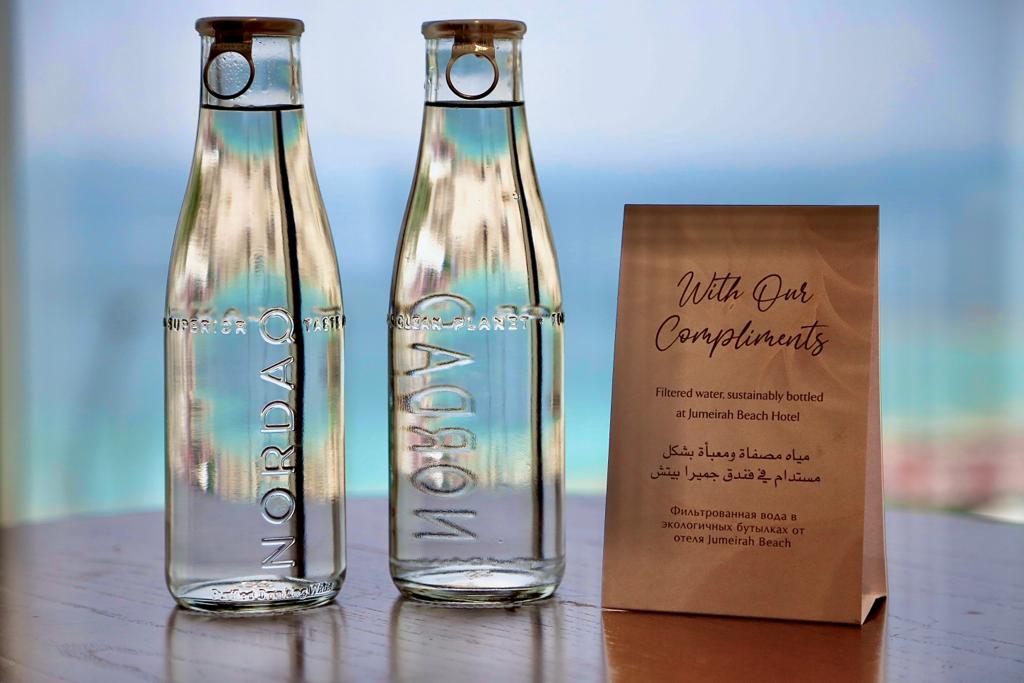
    Most hotels place one or two bottles of water for the guests in the rooms. These are most often plastic bottles. These could be easily switched to glass bottles with a very minimum investment. Along with this, every floor can have a water filter publicly accessible to guests. This way, the guest can easily refill their bottles without bothering your staff.

    Read more:

    Hyatt Regency Delhi introduces In-House Water Bottling Plant

    Jumeirah Beach Hotel phases out plastic bottle use, creates onsite bottling plant

    Reuse Bed and Bath Linens Program

    This is a program adopted by most chain hotels. 

    • Bed Linens – bed linens are changed only once in two/three days during a guest’s stay. If the guest needs the linen to be changed, a tent card provided on the side table that says “Please change my linens” is placed on the bed by the guest.
    • Bath Linens – similar is the case with bath lines, guests are reminded of the gallons of water being wasted in laundry and request them to hang their towels. If they need it changed, they could drop the towel on the floor or put it in the laundry basket.

    Download this PDF to help you more on implementation.

    Towel-and-linen-Reuse-programmes

    Guest Toiletries on Request

    Offering lots of toiletries to your guests no more impresses them. Also do not get into the thinking that guests become happy when they find more freebies. No! They came to your hotel to stay, relax or experience your hospitality. Not for the toiletries.

    Offer basic toiletries and make other toiletries be available on request. Place a tent card in the bathroom saying that you’d be more than happy to provide them with any toiletry they may require.

    Switch to Dispensers

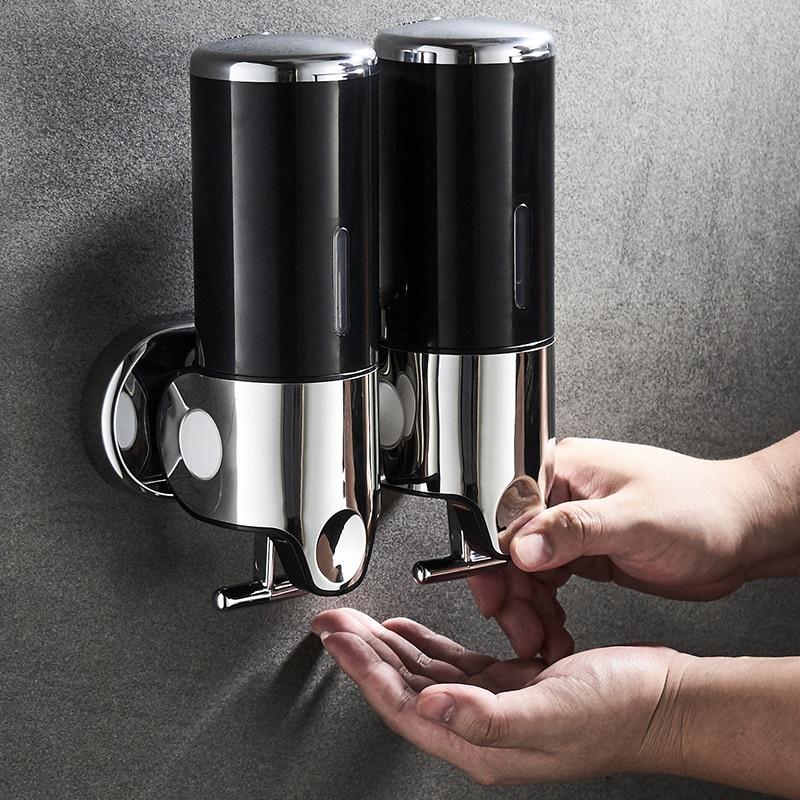
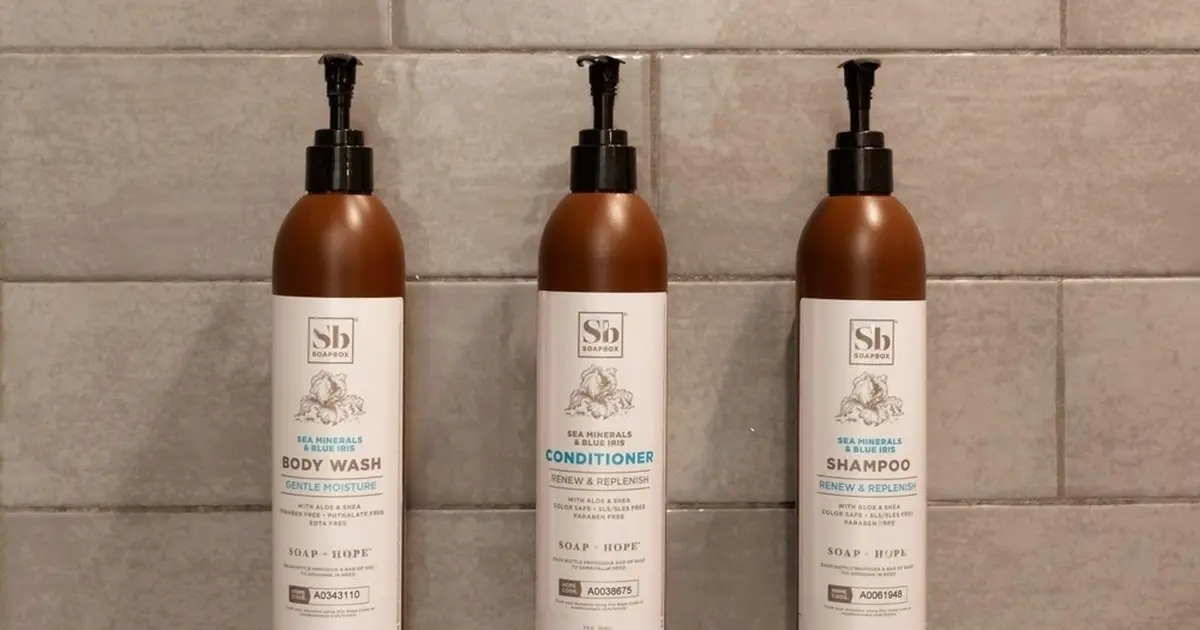
    Stop using plastic bottled shampoos and lotions. Instead, place dispensers in your shower area that dispenses shampoo and conditioner. This not only reduces plastic waste, but it also reduces wastage of liquids, transportation costs, and the overall cost of guest toiletries.

    Tent Cards and Signs for Guests

    You could make the following tent cards or small signages to train the guests to reduce, reuse and recycle:

    1. Save Power – to ensure that lights, TV and air conditioners are off while they leave their room.
    2. Reuse Towels – place a nicely designed signage in the bathroom asking the guests to reuse towels.
    3. Reuse Bed Lines – most hotels now change the bed linens once in three days or two days during a guest’s stay. Place a tent card saying that you change the bed linens only once in two/three days during their stay. If they’d like it changed, place this tent card on the bed.
    4. Amenities on Request – place a tent card in the bathroom advising the guest to call the housekeeping department if they need any toiletries or amenities.

    Train your Guests

    There are many opportunities to reduce environmental impact while a guest is staying at your resort, but these things are not within your control. However, certain things can be explained to your guests at the time of checking, and you can be rest assured your guests will follow the same. These things should be explained to the guest in a manner that the guest also takes pride in making their stay sustainable. 

    Along with the signs. you can tell the guests to practice during the check-in process:

    • If you do not have automatic presence sensors in your room – feel free to ask them to kindly turn off the lights, television and air conditioner/heaters while they exit the room.
    • Tell them that you have a towel hanger in your bathroom where they can hang their towels for reuse. If they wish to change their towels, they could either drop it in the laundry basket or elsewhere and your housekeeping staff would replace it with fresh towels. Tell them they can always call the housekeeping desk for fresh towels.
    • Tell them that the linens are changed on alternate days during their stay.
    • Tell them that any toiletry or amenities they require is just a call away and your staff will be happy to bring them to you.

    Sort the Waste

    There are complex and simple ways to sort waste. Complex processes can be adopted by larger hotels. Small and medium hotels can adopt waste sorting as simple as Wet, Dry, and Recyclable.

    If your waste is not sorted properly, it could end up in landfills which is one of the most difficult situations the governments are trying to solve.

    Here is an article on Hotel Waste Measurement Methodology by Sustainable Hospitality Alliance. These practices are adopted by large hotels, but this could give you more insights and identify practices that can be adopted in your hotel depending upon your size and operations.

    Properly and nicely advertise your hotel sustainability practices within your premises where your employees and guests can see and appreciate it. Today, guests tend to feel connected to hotels that practice sustainability.

    There are more ways you can start your sustainability initiatives. Some require considerable investment, some might increase your costs and some initiatives like the above are inexpensive and could be a starting point to bigger initiatives.